Coagulants and flocculants are the secret weapons for ensuring safe drinking water, playing a vital role in the treatment process. Their effectiveness stems from their unique bonding capabilities, which prevent contaminants present in the raw water from ending up in your glass. This is a challenging task, as coagulants are charged with the difficult job of removing turbidity, natural organic matter, and phosphorus from sources such as rivers, lakes, and groundwater. Furthermore, coagulants are instrumental in achieving specific treatment objectives, such as meeting discharge standards or improving the water's taste and odor.

The first step in selecting the right coagulant is to understand your water treatment goals. This helps narrow down the options to those that align with your objectives and are compatible with the water chemistry of your specific source.
In both municipal and industrial applications, coagulants are commonly used to remove turbidity before water is processed in a treatment plant. The goal of this filtration process is to produce clear water that meets stringent standards for discharge and drinking water quality. To achieve this, coagulants neutralize the negative charges on colloidal particles in the water, causing them to aggregate into larger, visible particles known as "flocs," which can then be separated from the water via sedimentation or flotation.
Several factors must be considered when selecting a coagulant, including suspended solids concentration, pH levels, and compatibility with other chemicals in the system. Comprehensive "jar tests" are an effective tool for determining the optimal coagulant dosage for a specific water source. These tests involve exposing identical volumes of water samples to varying dosages of coagulant and observing results such as turbidity reduction, settling rates, and floc formation. The dosage that performs best in these tests is the one that should be used in the actual treatment process.
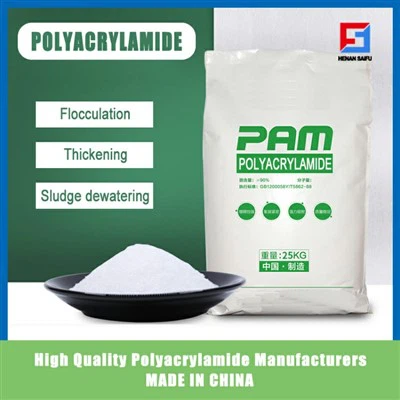
Following the coagulation stage, another chemical is added to encourage these coagulated particles to aggregate into larger flocs. Flocculants are long-chain polymers that bind to the surface of coagulated particles, enhancing inter-particle entanglement, van der Waals forces, and hydrogen bonding.
This helps the particles grow larger and denser, making them easier to separate from the water during the final sedimentation or flotation phase. A wide range of coagulants and flocculants is available on the market, including inorganic, organic, and natural or eco-friendly products. Each type offers specific advantages, benefits, and limitations, depending on the nature of the suspended solids in the water and the desired level of clarity.
Inorganic coagulants-such as aluminum sulfate and ferric chloride-are highly effective at reducing turbidity and other contaminants, but they require high dosage rates to achieve the desired results. Due to the associated high costs and environmental impact, they are typically reserved for very large-scale water treatment systems. In contrast, organic and natural/eco-friendly coagulants can achieve comparable results with lower costs and a reduced environmental footprint.