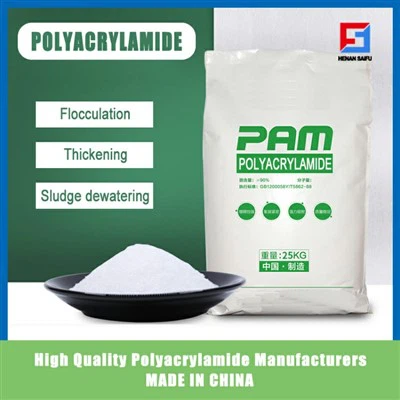
You Professional Polyacrylamide Suppliers!
Henan Saifu New Materials Co., Ltd. focuses on the import and export of water treatment chemicals and other chemicals. It produces and sells polyacrylamide, polyaluminum chloride, polyferric sulfate, activated carbon, scale inhibitors and other water treatment application chemicals.
-
![Cationic Polyacrylamide Emulsion]() Cationic Polyacrylamide EmulsionAmong its various forms, cationic polyacrylamide emulsion stands out due to its unique colloidal structure, rapid dissolution rate, and stable performance, successfully overcoming the limitations...view more
Cationic Polyacrylamide EmulsionAmong its various forms, cationic polyacrylamide emulsion stands out due to its unique colloidal structure, rapid dissolution rate, and stable performance, successfully overcoming the limitations...view more -
![Polyacrylamide Powder]() Polyacrylamide PowderAs a versatile water-soluble polymer, polyacrylamide (PAM) has become an indispensable core auxiliary in global industrial production, and polyacrylamide powder, with its stable performance,...view more
Polyacrylamide PowderAs a versatile water-soluble polymer, polyacrylamide (PAM) has become an indispensable core auxiliary in global industrial production, and polyacrylamide powder, with its stable performance,...view more -
![PAM Chemical Water Treatment]() PAM Chemical Water TreatmentOur PAM product series has successfully overcome technical bottlenecks in the complex field of chemical wastewater treatment. By effectively resolving critical industry pain points—such as low...view more
PAM Chemical Water TreatmentOur PAM product series has successfully overcome technical bottlenecks in the complex field of chemical wastewater treatment. By effectively resolving critical industry pain points—such as low...view more -
![Anionic Polyacrylamide Price]() Anionic Polyacrylamide PriceGain an in-depth understanding of the key factors influencing the price of anionic polyacrylamide, covering its core properties, applications and technical specifications. This guide is designed...view more
Anionic Polyacrylamide PriceGain an in-depth understanding of the key factors influencing the price of anionic polyacrylamide, covering its core properties, applications and technical specifications. This guide is designed...view more -
![Cationic Polyacrylamide Price]() Cationic Polyacrylamide PriceThe price of cationic polyacrylamide is closely correlated with its specifications (cationicity, molecular weight), purity, packaging, purchase volume, and market supply-and-demand dynamics.view more
Cationic Polyacrylamide PriceThe price of cationic polyacrylamide is closely correlated with its specifications (cationicity, molecular weight), purity, packaging, purchase volume, and market supply-and-demand dynamics.view more -
![Cationic Pam]() Cationic PamCationic polyacrylamide PAM rapidly neutralizes negative charges in water, forming dense flocs and thereby achieving efficient solid-liquid separation.view more
Cationic PamCationic polyacrylamide PAM rapidly neutralizes negative charges in water, forming dense flocs and thereby achieving efficient solid-liquid separation.view more -
![Pam Polyacrylamide]() Pam PolyacrylamidePolyacrylamide (PAM) — High-Efficiency Polymer Flocculant for Global Water Treatmentview more
Pam PolyacrylamidePolyacrylamide (PAM) — High-Efficiency Polymer Flocculant for Global Water Treatmentview more -
![Polyacrylamide Flocculant Water Treatment]() Polyacrylamide Flocculant Water TreatmentBased on the specific water quality characteristics and treatment processes of water treatment projects, we provide customized polyacrylamide flocculants to ensure optimal treatment results and...view more
Polyacrylamide Flocculant Water TreatmentBased on the specific water quality characteristics and treatment processes of water treatment projects, we provide customized polyacrylamide flocculants to ensure optimal treatment results and...view more -
![Pam Flocculant]() Pam FlocculantPAM flocculants are custom-tailored to suit diverse water qualities and industrial application scenarios, making them a vital functional flocculant in water treatment, mining, and other fields.view more
Pam FlocculantPAM flocculants are custom-tailored to suit diverse water qualities and industrial application scenarios, making them a vital functional flocculant in water treatment, mining, and other fields.view more -
![Polyacrylamide Price]() Polyacrylamide PriceThe market price of polyacrylamide is closely correlated with the product type, molecular weight, purity, and production scale; prices vary for products of different specifications, thereby...view more
Polyacrylamide PriceThe market price of polyacrylamide is closely correlated with the product type, molecular weight, purity, and production scale; prices vary for products of different specifications, thereby...view more -
![Cationic Polyacrylamide Flocculant]() Cationic Polyacrylamide FlocculantCationic polyacrylamide flocculants facilitate the aggregation of minute suspended particles into large, dense flocs, thereby achieving efficient solid-liquid separation during the processes of...view more
Cationic Polyacrylamide FlocculantCationic polyacrylamide flocculants facilitate the aggregation of minute suspended particles into large, dense flocs, thereby achieving efficient solid-liquid separation during the processes of...view more -
![Anionic Polyacrylamide Flocculant]() Anionic Polyacrylamide FlocculantAnionic Polyacrylamide Flocculant (APAM) is a high molecular weight water soluble polymer specially made for efficient solid liquid separation.view more
Anionic Polyacrylamide FlocculantAnionic Polyacrylamide Flocculant (APAM) is a high molecular weight water soluble polymer specially made for efficient solid liquid separation.view more


Why Choose Us
Professional Team
The company has a strict quality management system and has an experienced, skilled and technically proficient R&D and testing team.
Production Market
We has established extensive business contacts with foreign customers, and its business covers dozens of countries on all continents.
Reliable Quality
The products and all-round high-quality services enjoy a good reputation and reputation on well-known global platforms.
Technical Support
Discuss with customers the best solution for sewage treatment process.Solve relevant technical problems for customers.
Polyacrylamide - Overview
Polyacrylamide is a polyolefin. It can be viewed as polyethylene with amide substituents on alternating carbons. Unlike various nylons, polyacrylamide is not a polyamide because the amide groups are not in the polymer backbone. Owing to the presence of the amide (CONH2) groups, alternating carbon atoms in the backbone are stereogenic (colloquially: chiral).
Product Specification
We offer the following Specifications:
|
Parameter |
Food Grade |
Industrial Grade |
|
Appearance |
Pure white powder |
White/off-white powder |
|
Molecular Weight |
18 million |
8–25 million (adjustable) |
|
Purity |
≥99% (food-safe) |
≥90% |
|
Ionic Type |
Anionic |
Anionic/Cationic/Non-ionic |
|
PH Range |
4–9 |
3–10 |
Physicochemical Properties
Molecular weight: Polyacrylamide can have a wide range of molecular weights, ranging from thousands to millions of Dal-tons. Higher molecular weight polyacrylamides are typically more viscous and have better flocculating properties.
Charge density: Polyacrylamide can be either nonionic, anionic, cationic, or amphoteric, depending on the type of functional groups present on the polymer chain. The charge density of polyacrylamide can affect its interactions with other molecules and its ability to flocculate suspended particles.
Solubility: Polyacrylamide is generally soluble in water and forms viscous solutions. The solubility of polyacrylamide can be influenced by factors such as pH, temperature, and ionic strength.
Density: The density of polyacrylamide can vary depending on its chemical composition and molecular weight. Generally, polyacrylamide has a lower density than water.
Rheological properties: Polyacrylamide solutions exhibit shear-thinning behavior, meaning that they become less viscous under high shear rates. This property makes polyacrylamide solutions effective as thickening agents in various applications.
Thermal stability: Polyacrylamide is typically stable at high temperatures, making it suitable for use in industrial processes that involve elevated temperatures.
Compatibility: Polyacrylamide is compatible with a wide range of substances, including other polymers, surfactants, and salts, making it versatile for various applications.
Water Treatment: Polyacrylamide is widely used in water and wastewater treatment plants as a flocculant. It helps to aggregate suspended particles, making them easier to remove from water through sedimentation or filtration processes.
Oil and Gas Industry: It is used in enhanced oil recovery (EOR) techniques to improve the viscosity of the injected water, thereby increasing the amount of oil that can be extracted. It is also used in drilling fluids to control fluid loss and stabilize boreholes.
Paper Manufacturing: Polyacrylamide is used as a retention aid in the paper industry. It helps to improve the retention of fibers and fillers, enhancing the strength and quality of the paper while reducing waste.
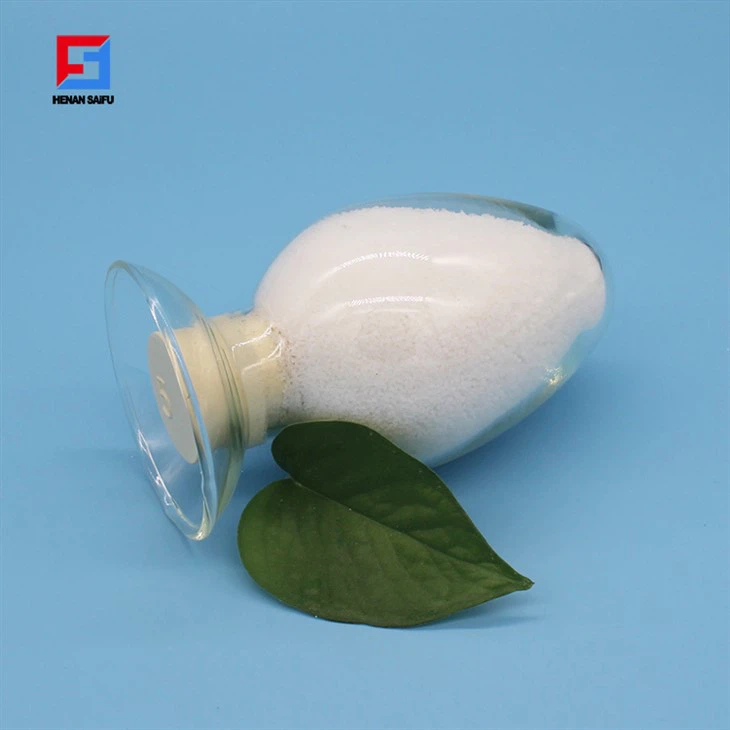
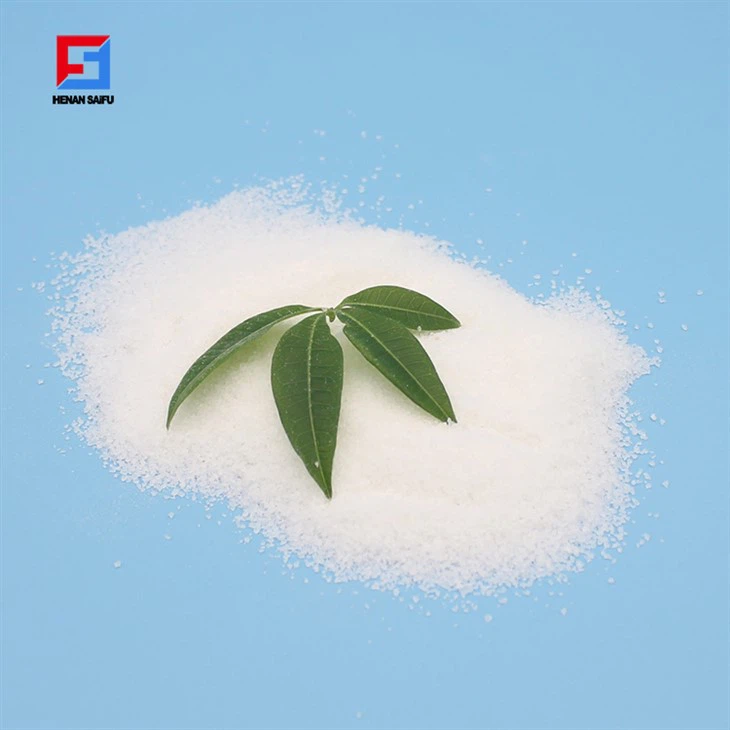
Textile Industry: It is used in the textile industry for fabric processing and finishing. Polyacrylamide acts as a thickener in textile printing pastes, ensuring even application of dyes and pigments.
Mining Industry: Polyacrylamide is used in mineral processing to separate valuable minerals from ores. It acts as a flocculant, helping to aggregate fine particles and improve the efficiency of separation processes.
Agriculture: It is used in agriculture as a soil conditioner to improve soil structure, reduce erosion, and enhance water retention. Polyacrylamide helps to improve crop yield and reduce water usage.
Cosmetics: Polyacrylamide is used in cosmetic formulations as a thickener and stabilizer. It helps to improve the texture and stability of creams, lotions, and gels.
Precautions
When handling PAM, appropriate personal protective equipment should be worn, such as chemical protective glasses, lab coats, and chemical protective gloves. At the same time, avoid direct skin contact with PAM powder or solution.
PAM becomes very slippery when combined with water, so use extra caution to prevent PAM powder from spilling or being oversprayed on the ground. If accidentally spilled or sprayed, it may cause the ground to become slippery and pose a hidden danger to personnel safety.
If your clothes or skin accidentally get PAM powder or solution, do not rinse directly with water. Gently wiping off PAM powder with a dry towel is the safest method.
Granular PAM should be stored in a light-proof container away from sunlight and air to maintain its effectiveness. Prolonged exposure to sunlight and air may cause the product to fail or even deteriorate.
If the product is found to be invalid or expired, it should be dealt with in time and replaced with a new product to avoid affecting normal use and safety.
At the same time, attention should be paid to checking the shelf life of the product and confirming its effectiveness before use through relevant tests or inspections to ensure that it meets standard requirements.
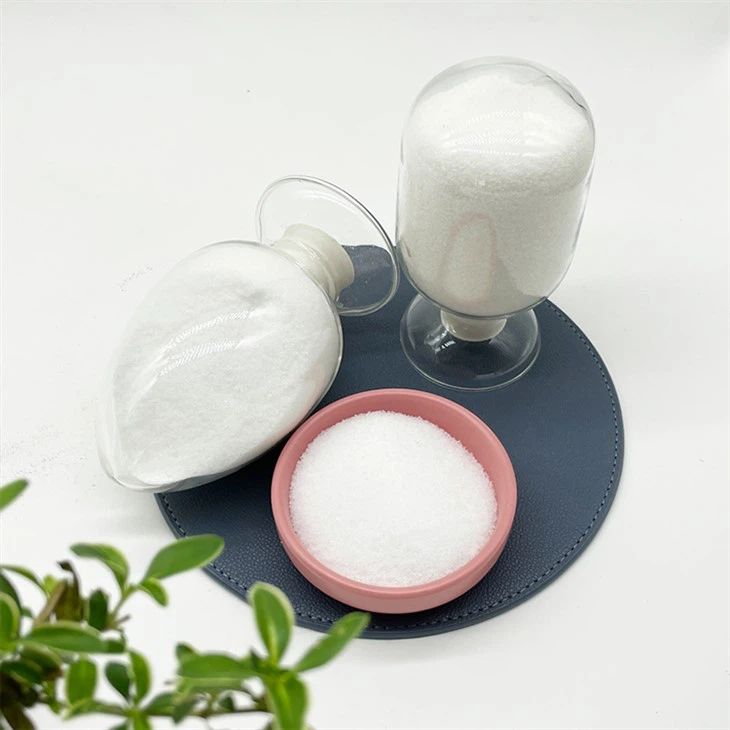
Storage & Handling
Store in a cool, dry and well-ventilated place.
Keep away from moisture, heat, flame and sunlight.
No exposed in air, and better in its original package.
The shelf-life is 2 years.
Packaging & Delivery
Packed in 25Kg woven bag or craft paper bag, 20MT per 1x20ft FCL without pallet; Or package as per customer's request.
Delivery Lead Time: Prompt shipment within 2 weeks.

FAQ
As one of the leading polyacrylamide manufacturers and suppliers in China, we warmly welcome you to buy the best polyacrylamide made in China here from our factory. For price consultation, contact us.
anionic polyacrylamide, hydrolyzed polyacrylamide, partially hydrolysed polyacrylamide