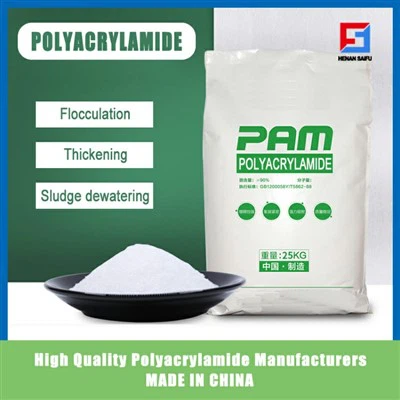
The water treatment industry relies on coagulants and flocculants to remove various contaminants from industrial wastewater. These contaminants-including organic matter, heavy metals, and other hazardous substances-can cause serious environmental damage if discharged untreated. Coagulation and flocculation processes concentrate these contaminants into larger particles that are easier to separate from the water, rendering the wastewater safe for discharge or reuse.
Coagulation is a straightforward chemical process that neutralizes the negative charges on fine particles in water or wastewater, causing them to aggregate into larger flocs. This aggregation makes it easier to separate contaminants from the water through processes such as sedimentation or filtration. A wide variety of coagulants and flocculants exists, each designed for specific applications and water quality conditions. Using the right coagulants and flocculants helps ensure optimal results and cost-effectiveness while enhancing efficiency and environmental performance.
Flocculants are polymeric chemicals that promote the aggregation of destabilized particles into larger flocs, facilitating their separation from water. They are available in forms such as powders, emulsions, and dispersions. Some are synthetic, while others are derived from natural sources like fungi or plants. Flocculants are widely used across various industries for water clarification, lime softening, sludge thickening, and solids dewatering.
Wastewater coagulants and flocculants are essential for treating industrial, agricultural, municipal, and domestic wastewater. These chemicals help control the release of heavy metals, organic matter, phosphorus, and other nutrients that could pose health and environmental risks if improperly managed. They also aid in clarifying contaminated industrial and municipal wastewater, improving heavy metal removal rates, treating sewage and other wastewater for resource recovery, and reducing the volume of sludge generated by treatment plants.

Selecting a wastewater flocculant requires considering several factors, including the type of suspended solids, pH levels, and the desired degree of clarification. Conducting laboratory tests on the wastewater is crucial to determine the type and concentration of suspended solids, as well as the optimal dosage of the flocculant.
Aluminum sulfate (alum) is the most commonly used coagulant in water treatment. While inexpensive and easily soluble, it leaves residues in the water-a factor that should be considered during selection. Consequently, organic or natural coagulants are often preferred. In addition to enhancing flocculation and improving filtration performance, these products are generally non-toxic and do not increase the biochemical oxygen demand (BOD) or chemical oxygen demand (COD) of the water. They also dissolve more rapidly than emulsions or powders, requiring less preparation time.
Specialty organic polymer flocculants function as coagulants by utilizing combinations of acrylamide and cationic or anionic monomers to form ionic bonds between suspended particles and water molecules. These flocculants are suitable for treating various water sources and industrial wastewater, and are particularly effective at reducing levels of fats, proteins, and other organic substances in wastewater.