

Hey there, fellow pastry enthusiasts! As a supplier of pam powder, I often get asked whether pam powder is suitable for making pastries. Well, let's dive right into this topic and explore the ins and outs of using pam powder in the world of pastries.
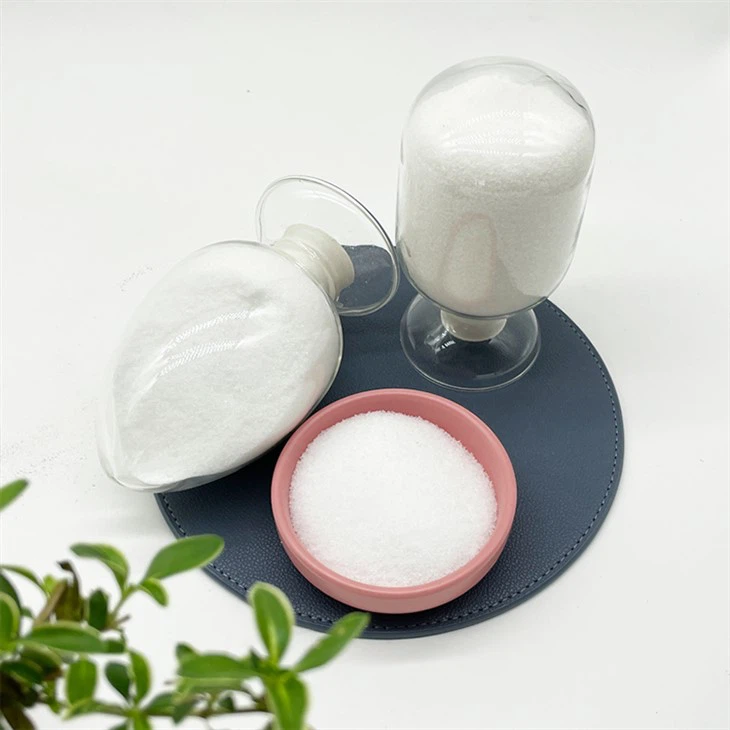
First off, what exactly is pam powder? Pam powder typically refers to polyacrylamide powder. It's a chemical compound that has a wide range of applications, especially in water treatment. You can check out more about its use in water treatment here: PAM Polyacrylamide for Water Treatment Best Polymer Water Solutions. It's known for its flocculating properties, which means it can help particles in water clump together and settle out. But can it be used in pastries?
When it comes to using pam powder in pastries, the situation is a bit more complicated. In the food industry, there are strict regulations about what chemicals can be used in food products. Polyacrylamide itself has different grades, and not all of them are suitable for food applications. The grade that's used in water treatment might not meet the safety standards for use in pastries.
However, there is a specific type of polyacrylamide that is approved for certain food - related applications. For example, Polyacrylamide Flocculating Agent White Powder MSDS For Food Processing Wastewater Treatment is designed to be used in food processing wastewater treatment, which shows that there are some food - adjacent uses for this compound. But using it directly in pastries is a whole different ballgame.
Let's talk about the potential benefits of using pam powder in pastries. Some might think that it could act as a thickening agent. In theory, it could help give pastries a better texture, making them more moist and less likely to crumble. It might also help with the overall structure of the pastry, keeping it intact during baking and handling.
On the flip side, there are some major concerns. One of the biggest issues is safety. Polyacrylamide can break down into acrylamide, which is a known carcinogen. Even in small amounts, acrylamide in food is a cause for worry. The World Health Organization and other food safety agencies have set limits on the amount of acrylamide that can be present in food products. So, if we were to use pam powder in pastries, we'd need to make sure that the acrylamide levels are well within the safe range.

Another concern is the taste. Pastries are all about flavor, and adding a chemical like pam powder could potentially alter the taste. No one wants a pastry that tastes like a chemical experiment! We want that delicious, buttery, and sweet flavor that we associate with pastries.
Now, let's look at the science behind it. When pam powder is added to a pastry dough or batter, it interacts with the other ingredients. It can form bonds with water molecules, which is why it might seem like a good thickening agent. But these bonds can also affect the way the dough or batter behaves during baking. For example, it could change the way the gluten network forms in bread - based pastries, which can have a big impact on the final texture.
In some cases, there are alternative ingredients that can achieve similar results without the safety risks. For example, there are natural thickeners like cornstarch, tapioca starch, and gelatin that are commonly used in pastry making. These ingredients are generally recognized as safe (GRAS) and have been used in the food industry for a long time. They also have the added benefit of being more familiar to consumers, so there's no need to worry about any potential chemical - related concerns.
So, is pam powder suitable for making pastries? The answer isn't a simple yes or no. If there is a food - grade pam powder that is specifically approved for use in pastries and if the safety and taste issues can be properly addressed, then it might be a viable option. But as of now, the use of pam powder in pastries is not widespread, and it's important to approach it with caution.
If you're a pastry chef or a bakery owner and you're interested in exploring the possibility of using pam powder in your pastries, I'd be more than happy to discuss it with you. We have access to high - quality Factory High Quality Water Treatment Chemicals Flocculants CAS 9003 - 05 - 8 Polyacrylamide PAM, and we can work together to see if it's a good fit for your products. We can also provide you with all the necessary information about safety, usage, and regulations.
If you're curious and want to learn more about how pam powder could potentially be used in your pastry recipes, feel free to reach out. We can have a detailed discussion about your specific needs and see if we can come up with a solution that works for you. Whether you're looking for a new way to improve the texture of your pastries or just want to experiment, we're here to help.
In conclusion, while pam powder has some interesting properties that could potentially be beneficial in pastry making, we need to be very careful about its use. Safety and taste are the top priorities, and we need to make sure that any new ingredient we introduce to our pastries meets the highest standards. So, if you're up for a culinary adventure and want to explore the use of pam powder in your pastries, don't hesitate to get in touch. Let's have a chat and see if we can make your pastry dreams a reality!
References:
- World Health Organization. Guidelines on acrylamide in food.
- Food and Drug Administration. Regulations on food additives.


