


Hey there! As an industrial grade PAM (Polyacrylamide) supplier, I've seen firsthand how the molecular weight of this amazing polymer can have a huge impact on its properties. In this blog post, I'm gonna break down the relationship between molecular weight and PAM's characteristics, and why it matters for different industrial applications.
What is Industrial Grade PAM?
Before we dive into the molecular weight stuff, let's quickly go over what industrial grade PAM is. PAM is a water - soluble polymer that's widely used in various industries, especially for water treatment. It comes in different forms, like powder and granules, and can be anionic, cationic, or non - ionic depending on its chemical structure.
How Molecular Weight Works
The molecular weight of PAM refers to the mass of a single molecule of the polymer. It's basically a measure of how big the polymer chains are. Higher molecular weight means longer polymer chains, while lower molecular weight means shorter chains. This might seem like a small detail, but it has a major influence on how PAM behaves.
Impact on Viscosity
One of the most obvious effects of molecular weight on PAM is its impact on viscosity. When you dissolve PAM in water, higher molecular weight PAM forms more viscous solutions. Think of it like this: longer polymer chains get all tangled up with each other, creating a sort of web that makes the solution thicker.
For example, if you're using PAM as a thickening agent in a product, a high - molecular - weight PAM will give you a much thicker and more gel - like consistency. On the other hand, a low - molecular - weight PAM will result in a thinner, more fluid solution. This property is crucial in industries like oil and gas, where PAM is used in drilling fluids. A high - viscosity solution can better carry drill cuttings to the surface.
Flocculation Ability
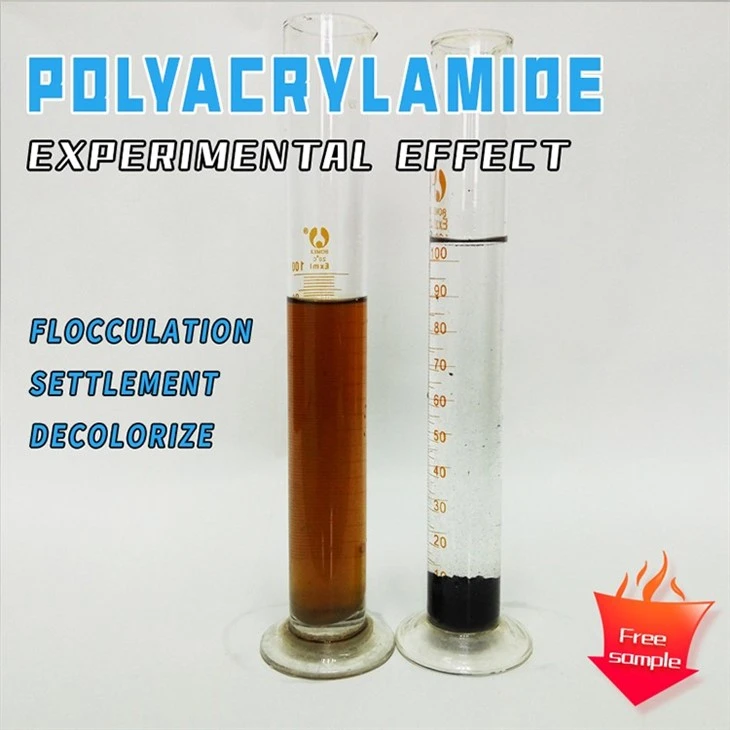
Flocculation is another key property of PAM, especially in water treatment. When PAM is added to water containing suspended particles, it helps these particles clump together into larger flocs, which can then be easily removed.
High - molecular - weight PAM is generally better at flocculation. The long polymer chains can span across multiple particles, bridging them together and forming bigger and stronger flocs. This is great for treating industrial wastewater, where you want to quickly and efficiently remove solid contaminants. Check out Industrial Wastewater Flocculant Powder Polyacrylamide PAM CAS 9003 - 05 - 8 Water Treatment for more info on how our high - molecular - weight PAM can be used in this application.
Low - molecular - weight PAM, however, might be more suitable for situations where you need more gentle flocculation. For instance, in some food processing wastewater treatments, you don't want overly large or strong flocs that could damage delicate equipment. Cationic Polyacrylamide PAM Chemical Flocculant CPAM for Sugar Processing Wastewater CAS 9003 - 05 - 8 offers a range of options with different molecular weights to meet these specific needs.
Solubility
Solubility is also affected by molecular weight. Lower molecular weight PAM generally dissolves faster in water. The shorter chains are easier to separate and disperse in the water molecules. This can be an advantage in applications where you need a quick - acting solution.
On the contrary, high - molecular - weight PAM takes longer to dissolve. But once it does, it can provide more stable and long - lasting effects. So, if you have time to let the PAM dissolve and you're looking for a more durable solution, a high - molecular - weight product might be the way to go.
Shear Resistance
Shear resistance is important in applications where the PAM solution is subjected to mechanical forces, like stirring or pumping. High - molecular - weight PAM has better shear resistance. The long polymer chains can withstand the forces without breaking apart easily.
In contrast, low - molecular - weight PAM is more likely to break down under shear stress. This means that in applications where there are high - shear conditions, such as in some industrial mixing processes, a high - molecular - weight PAM will maintain its effectiveness better.
Applications Based on Molecular Weight
Different industries have different requirements when it comes to the molecular weight of PAM.
Water Treatment
As I mentioned earlier, high - molecular - weight PAM is great for industrial wastewater treatment. It can quickly and effectively remove large amounts of suspended solids. In municipal water treatment, it can also be used to clarify water and improve its quality.
Low - molecular - weight PAM might be used in more delicate water treatment processes, such as treating water for aquariums or in some pharmaceutical applications where you need a more controlled flocculation.
Oil and Gas
In the oil and gas industry, high - molecular - weight PAM is used in drilling fluids to increase viscosity and carry drill cuttings. It's also used in enhanced oil recovery to improve the flow of oil through porous rock formations.
Mining
In mining operations, PAM is used to separate solids from liquids in the ore - processing stage. High - molecular - weight PAM can help form large flocs of ore particles, making it easier to separate them from the water.
Choosing the Right Molecular Weight
When choosing the right molecular weight of PAM for your application, you need to consider a few factors. First, think about the specific requirements of your process. Do you need a high - viscosity solution? Are you looking for strong flocculation or gentle flocculation?
You also need to consider the cost. Generally, high - molecular - weight PAM is more expensive than low - molecular - weight PAM. So, you need to balance the performance benefits with the cost.

Our Product Range
As an industrial grade PAM supplier, we offer a wide range of PAM products with different molecular weights. Whether you need a high - molecular - weight product for heavy - duty industrial applications or a low - molecular - weight one for more delicate processes, we've got you covered.
We also offer Industrial Grade Brown Granular Coagulant Polyaluminium Chloride PAC 20 - 26% which can be used in combination with PAM for even better water treatment results.
Let's Talk
If you're interested in our industrial grade PAM products or have any questions about choosing the right molecular weight for your application, don't hesitate to reach out. We're here to help you find the best solution for your needs. Contact us to start a conversation about your PAM requirements and let's work together to get the job done right.
References
- Gregory, J. (1997). Coagulation and flocculation: a review. Water Science and Technology, 35(4 - 5), 187 - 195.
- Zouboulis, A. I., & Avranas, S. A. (2000). Flocculation of textile dye - containing wastewaters. Journal of Chemical Technology & Biotechnology, 75(6), 529 - 536.
- Landfester, K. (2009). Nanoparticle synthesis by miniemulsion polymerization. Annual Review of Materials Research, 39(1), 151 - 171.


