


Polyacrylamide (PAM) powder is a widely used polymer in various industries, especially in water treatment and gel - related applications. As a polyacrylamide powder supplier, I have in - depth knowledge of its properties and the effects it has on the gelation process. In this blog, I will explore the impact of polyacrylamide powder on the gelation process from multiple aspects.
1. Introduction to Polyacrylamide Powder
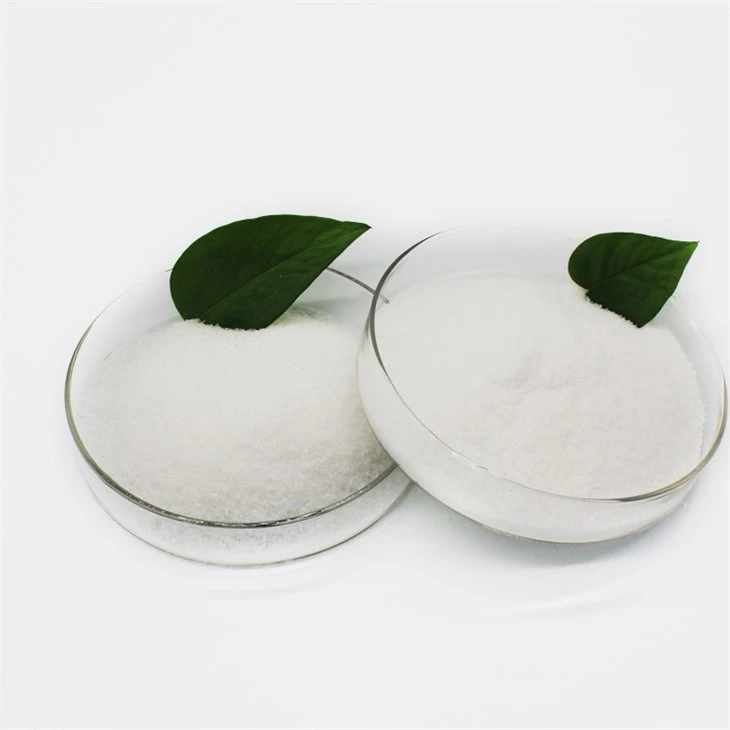
Polyacrylamide is a synthetic water - soluble polymer formed by the polymerization of acrylamide monomers. It exists in different forms, including powder. The powder form is convenient for storage, transportation, and dosing. There are three main types of polyacrylamide: anionic, cationic, and non - ionic, each with unique properties and applications.
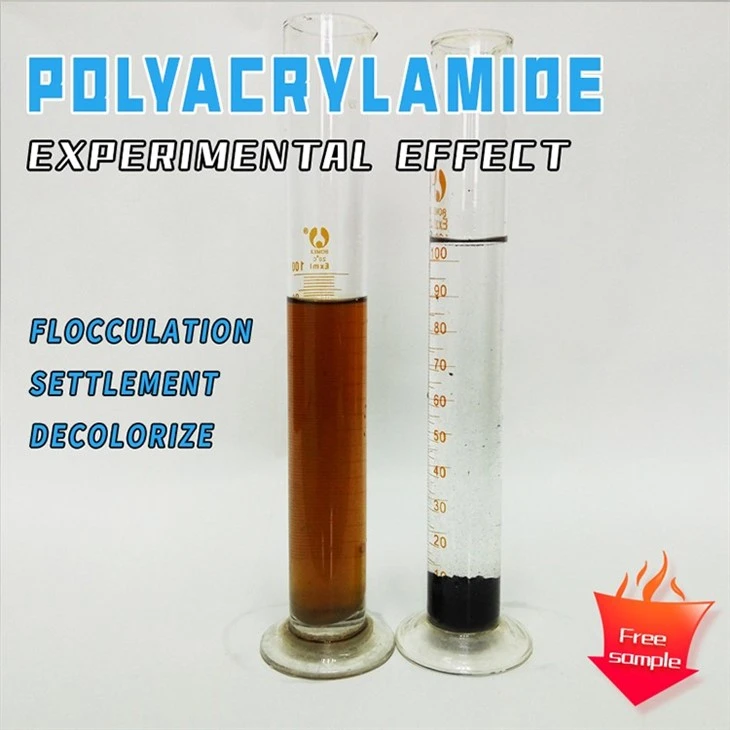
The anionic polyacrylamide is commonly used in water treatment for flocculation and sedimentation of negatively charged particles. You can find more information about it at Water Treatment Chemicals Linear Polymer Powder Anionic Polyacrylamide. Cationic polyacrylamide is effective in treating wastewater with positively charged contaminants, and non - ionic polyacrylamide is used in situations where a more neutral environment is required. Industrial Wastewater Flocculant Powder Polyacrylamide PAM CAS 9003 - 05 - 8 Water Treatment provides detailed information on its industrial wastewater treatment applications.
2. Gelation Process Basics
Gelation is a process in which a liquid is transformed into a gel, a semi - solid material with a three - dimensional network structure. This process usually involves cross - linking of polymer chains. In the case of polyacrylamide, gelation can occur through physical or chemical means. Physical gelation is often based on non - covalent interactions such as hydrogen bonding, van der Waals forces, and hydrophobic interactions. Chemical gelation, on the other hand, involves the formation of covalent bonds between polymer chains, typically through the use of cross - linking agents.
3. Effects of Polyacrylamide Powder on Gelation Kinetics
The presence of polyacrylamide powder can significantly affect the gelation kinetics. The concentration of polyacrylamide in the solution is a crucial factor. At low concentrations, the polymer chains are relatively dispersed, and the gelation process is slow. As the concentration increases, the probability of polymer chain collisions and interactions also increases, leading to a faster gelation rate.
The molecular weight of polyacrylamide also plays an important role. Higher molecular weight polyacrylamide has longer polymer chains, which can entangle more easily and form a more extensive network. This generally results in a faster gelation process compared to lower molecular weight polyacrylamide. However, very high molecular weight polyacrylamide may also cause viscosity problems, making the solution difficult to handle during the gelation process.
The type of polyacrylamide (anionic, cationic, or non - ionic) can influence the gelation kinetics as well. Anionic polyacrylamide may interact with metal ions in the solution, which can either promote or inhibit the gelation process depending on the nature of the metal ions. Cationic polyacrylamide can interact with negatively charged substances in the solution, and this interaction can affect the cross - linking efficiency and thus the gelation rate.
4. Influence on Gel Structure
Polyacrylamide powder can have a profound impact on the gel structure. The cross - linking density of the gel is closely related to the properties of the polyacrylamide used. A higher cross - linking density generally results in a more rigid and mechanically stable gel. By adjusting the amount and type of polyacrylamide, as well as the cross - linking conditions, the cross - linking density can be controlled.
The distribution of polymer chains in the gel also affects its structure. Polyacrylamide with a more uniform molecular weight distribution can form a more homogeneous gel structure. In contrast, a wide molecular weight distribution may lead to a heterogeneous gel with regions of different cross - linking densities. This can have implications for the mechanical and physical properties of the gel, such as its elasticity, swelling behavior, and permeability.
5. Impact on Gel Properties
The properties of the gel, such as its mechanical strength, swelling ratio, and stability, are strongly influenced by the polyacrylamide powder. In terms of mechanical strength, a well - formed gel with an appropriate cross - linking density can withstand external forces better. The presence of polyacrylamide can enhance the intermolecular forces within the gel, making it more resistant to deformation.
The swelling ratio of the gel is the ratio of the weight of the swollen gel to the weight of the dry gel. Polyacrylamide can absorb water and swell, and the degree of swelling depends on factors such as the type of polyacrylamide, its concentration, and the cross - linking density. Anionic polyacrylamide, for example, can absorb a large amount of water due to its negatively charged groups, which can interact with water molecules through electrostatic forces.
The stability of the gel is also affected by polyacrylamide. A stable gel maintains its structure and properties over time. Polyacrylamide can improve the stability of the gel by preventing the dissolution or degradation of the polymer network. However, environmental factors such as temperature, pH, and the presence of certain chemicals can still affect the stability of the gel.
6. Applications of Polyacrylamide - based Gels
Polyacrylamide - based gels have a wide range of applications. In the field of water treatment, they can be used as flocculants and adsorbents. The gel structure can trap suspended particles and contaminants in water, facilitating their removal. PAM Polyacrylamide for Water Treatment Best Polymer Water Solutions provides more details on its water treatment applications.
In the medical field, polyacrylamide gels are used in drug delivery systems. The controlled release of drugs can be achieved by adjusting the properties of the gel, such as its swelling behavior and degradation rate. In the oil and gas industry, polyacrylamide - based gels are used for enhanced oil recovery, where they can improve the sweep efficiency of injected fluids.
7. Conclusion and Call to Action
In conclusion, polyacrylamide powder has a significant effect on the gelation process, including gelation kinetics, gel structure, and gel properties. The ability to control these effects makes polyacrylamide a versatile material in various industries.
If you are interested in using polyacrylamide powder for your specific gel - related applications or other industrial needs, I encourage you to contact us for further discussion. We can provide high - quality polyacrylamide powder and technical support to meet your requirements. Whether you need assistance in choosing the right type of polyacrylamide or optimizing the gelation process, our team of experts is ready to help.
References
- Peppas, N. A., & Merrill, E. W. (1976). Transport in hydrogels. 1. A model for diffusion in lightly cross - linked, hydrophilic polymers. Journal of Membrane Science, 1(1), 21 - 37.
- Buchholz, F. L., & Graham, A. T. (Eds.). (1998). Modern superabsorbent polymer technology. John Wiley & Sons.
- Gregory, J. (1989). Coagulation and flocculation: a review. Water Research, 23(5), 667 - 682.


