

Hey there! As a supplier of nonionic PAM, I often get asked if nonionic PAM can be used in meat - processing wastewater treatment. So, let's dive right into this topic and find out.
First off, let's understand what meat - processing wastewater is all about. Meat - processing plants generate a significant amount of wastewater during their operations. This wastewater contains a variety of contaminants, such as blood, fat, proteins, and suspended solids. These contaminants can cause environmental problems if not properly treated. High levels of organic matter in the wastewater can lead to oxygen depletion in water bodies, harming aquatic life. And the presence of pathogens can pose a risk to public health.
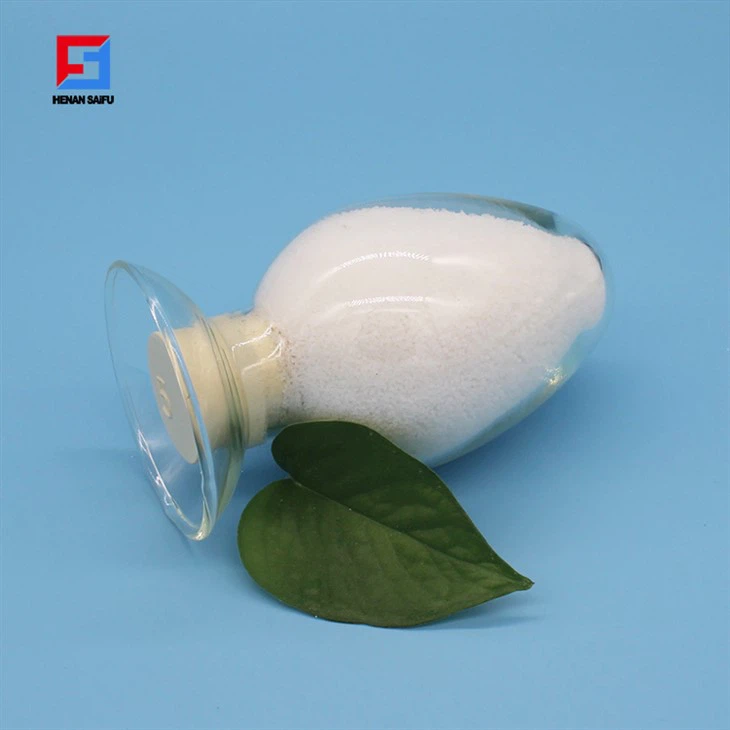
Now, what is nonionic PAM? Nonionic polyacrylamide (PAM) is a water - soluble polymer. It has a neutral charge, which gives it some unique properties compared to cationic and anionic PAMs. Nonionic PAM is known for its good flocculation ability, which means it can help to aggregate small particles in the water into larger ones, making them easier to separate from the water.
So, can nonionic PAM be used in meat - processing wastewater treatment? The answer is yes, and here's why.
Flocculation of Suspended Solids
One of the main challenges in meat - processing wastewater treatment is the removal of suspended solids. These solids include meat particles, bone fragments, and other debris. Nonionic PAM can effectively flocculate these suspended solids. When added to the wastewater, the long - chain molecules of nonionic PAM entangle with the suspended particles. As a result, the particles come together to form larger flocs. These flocs are then easier to settle out or be filtered from the water. For example, in a meat - processing plant, after adding nonionic PAM to the wastewater in a settling tank, you can see the flocs quickly forming and sinking to the bottom, clarifying the water above.

Treatment of Organic Matter
Meat - processing wastewater also contains a high amount of organic matter, such as proteins and fats. Nonionic PAM can play a role in treating this organic matter. It can help to bind with the organic molecules, reducing their solubility in water. This binding process can make the organic matter more likely to be removed during the treatment process. For instance, in some cases, nonionic PAM can assist in the coagulation - flocculation process, where it works in conjunction with other chemicals to precipitate the organic matter out of the water.
Compatibility with Other Treatment Processes
Nonionic PAM is compatible with many other treatment processes commonly used in meat - processing wastewater treatment. It can be used in combination with biological treatment methods, such as activated sludge systems. In these systems, nonionic PAM can help to improve the settling properties of the sludge, making it easier to separate the treated water from the sludge. It can also be used in conjunction with chemical coagulants to enhance the overall treatment efficiency.
However, there are also some considerations when using nonionic PAM in meat - processing wastewater treatment.
Dosage
The dosage of nonionic PAM is crucial. If the dosage is too low, it may not be able to effectively flocculate the particles. On the other hand, if the dosage is too high, it can lead to excessive flocculation, which may cause problems such as clogging of filters or an increase in the volume of sludge. So, it's important to conduct laboratory tests to determine the optimal dosage for a specific meat - processing wastewater.
pH and Temperature
The performance of nonionic PAM can be affected by the pH and temperature of the wastewater. Generally, nonionic PAM works well in a relatively neutral pH range. Extreme pH values can reduce its flocculation ability. Temperature also plays a role. Lower temperatures can slow down the flocculation process, while higher temperatures may cause the polymer to degrade.
Let's take a look at some real - world applications. There have been several meat - processing plants that have successfully used nonionic PAM in their wastewater treatment systems. For example, a medium - sized meat - processing plant in the Midwest found that by using nonionic PAM, they were able to significantly improve the clarity of their treated wastewater. The suspended solids removal rate increased from around 70% to over 90%. This not only helped them to meet the environmental regulations but also reduced the cost of further treatment.
If you're interested in learning more about nonionic PAM and its applications in water treatment, you can check out these useful resources:
PAM Polyacrylamide for Water Treatment Best Polymer Water Solutions
Industrial Water Treatment Chemicals Polymers Cationic Anionic Polyelectrolyte Liquid NPAM
Mining Wastewater Treatment Polymer Chemicals Anionic Flocculant Polyacrylamide PAM
In conclusion, nonionic PAM can be a valuable tool in meat - processing wastewater treatment. It offers effective flocculation of suspended solids, helps in treating organic matter, and is compatible with other treatment processes. However, proper dosage, pH, and temperature control are essential for its optimal performance.
If you're a meat - processing plant owner or involved in wastewater treatment, and you're considering using nonionic PAM for your wastewater treatment needs, I'd love to talk to you. Whether you have questions about the product, need help with dosage determination, or want to discuss a custom - tailored solution for your plant, don't hesitate to reach out. We can have a detailed discussion to see how nonionic PAM can work best for you.
References
- "Wastewater Treatment Technology for the Meat Processing Industry" by Environmental Protection Agency.
- "Polymer Flocculants: Synthesis, Characterization, and Performance" by Gregory, J. and Barany, F.


