

Anionic flocculants play a crucial role in water treatment processes, offering a range of benefits that contribute to the efficient purification and clarification of water. As a supplier of anionic flocculants, I have witnessed firsthand the effectiveness of these products in various water treatment applications. In this blog post, I will explore the effectiveness of anionic flocculants in water treatment, discussing their mechanism of action, benefits, and real-world applications.
Mechanism of Action
Anionic flocculants are polymers with negatively charged functional groups. When added to water containing suspended particles, these polymers interact with the particles through a process known as flocculation. The negatively charged anionic flocculants neutralize the positive charges on the surface of the suspended particles, causing them to lose their repulsive forces and come together to form larger aggregates or flocs. These flocs are then easier to separate from the water through sedimentation, filtration, or other separation processes.
The flocculation process can be divided into two main stages: coagulation and flocculation. Coagulation is the initial stage where the anionic flocculant neutralizes the surface charges of the suspended particles, allowing them to come closer together. Flocculation is the subsequent stage where the neutralized particles form larger flocs through bridging and entanglement mechanisms. The anionic flocculant molecules act as bridges between the particles, holding them together and promoting the formation of stable flocs.
Benefits of Anionic Flocculants in Water Treatment
- Improved Sedimentation and Filtration Efficiency: By forming larger flocs, anionic flocculants significantly improve the sedimentation and filtration efficiency of water treatment systems. The larger flocs settle more quickly, reducing the time required for sedimentation and increasing the throughput of the treatment process. Additionally, the larger flocs are easier to filter, resulting in clearer water and reduced filter clogging.
- Enhanced Removal of Suspended Solids: Anionic flocculants are highly effective in removing suspended solids from water, including clay, silt, organic matter, and other particulate contaminants. The flocculation process helps to agglomerate these particles, making them easier to separate from the water and reducing the turbidity of the treated water.
- Reduction of Chemical Usage: In some water treatment applications, anionic flocculants can be used in combination with other chemicals such as coagulants to achieve better treatment results. By using anionic flocculants, the dosage of coagulants can often be reduced, resulting in cost savings and a more environmentally friendly treatment process.
- Stability and Compatibility: Anionic flocculants are generally stable and compatible with a wide range of water treatment chemicals and processes. They can be used in both acidic and alkaline water conditions and are effective in treating various types of water, including industrial wastewater, municipal sewage, and drinking water.
Real-World Applications
- Municipal Water Treatment: Anionic flocculants are widely used in municipal water treatment plants to clarify raw water and remove suspended solids, turbidity, and other contaminants. They are typically added to the water during the coagulation and flocculation stages of the treatment process to improve the sedimentation and filtration efficiency of the plant.
- Industrial Wastewater Treatment: Many industries generate wastewater containing high levels of suspended solids, organic matter, and other contaminants. Anionic flocculants are commonly used in industrial wastewater treatment to treat this wastewater and make it suitable for discharge or reuse. For example, in the mining industry, anionic flocculants are used to clarify the process water and recover valuable minerals. In the paper and pulp industry, they are used to remove suspended solids and improve the quality of the effluent.
- Drinking Water Treatment: Anionic flocculants are also used in drinking water treatment to remove suspended solids and turbidity from raw water sources. They help to improve the clarity and quality of the drinking water, making it safer and more palatable for consumption.
Case Studies
To illustrate the effectiveness of anionic flocculants in water treatment, let's consider a few case studies:
- Municipal Water Treatment Plant: A municipal water treatment plant was experiencing high turbidity levels in its raw water source, which was causing problems with sedimentation and filtration. The plant decided to use an anionic flocculant to improve the treatment process. After adding the anionic flocculant, the turbidity of the treated water was significantly reduced, and the sedimentation and filtration efficiency of the plant improved. The plant was able to increase its throughput and reduce the amount of sludge generated, resulting in cost savings and improved water quality.
- Industrial Wastewater Treatment Facility: An industrial wastewater treatment facility was treating wastewater from a chemical manufacturing plant. The wastewater contained high levels of suspended solids and organic matter, which were difficult to remove using traditional treatment methods. The facility decided to use an anionic flocculant in combination with a coagulant to treat the wastewater. After adding the anionic flocculant, the suspended solids were effectively removed, and the chemical oxygen demand (COD) of the wastewater was reduced. The treated wastewater met the discharge standards, and the facility was able to avoid costly fines and environmental damage.
Choosing the Right Anionic Flocculant
When choosing an anionic flocculant for a specific water treatment application, several factors need to be considered, including the type and concentration of the suspended solids, the pH and temperature of the water, the treatment process requirements, and the desired treatment results. Different anionic flocculants have different molecular weights, charge densities, and chemical structures, which can affect their performance in water treatment.
It is important to conduct laboratory tests and pilot studies to determine the most suitable anionic flocculant for a particular application. These tests can help to optimize the dosage and application conditions of the anionic flocculant and ensure that the desired treatment results are achieved.
Conclusion
Anionic flocculants are highly effective in water treatment, offering a range of benefits that contribute to the efficient purification and clarification of water. Their ability to form larger flocs, improve sedimentation and filtration efficiency, and enhance the removal of suspended solids makes them an essential tool in municipal water treatment, industrial wastewater treatment, and drinking water treatment.
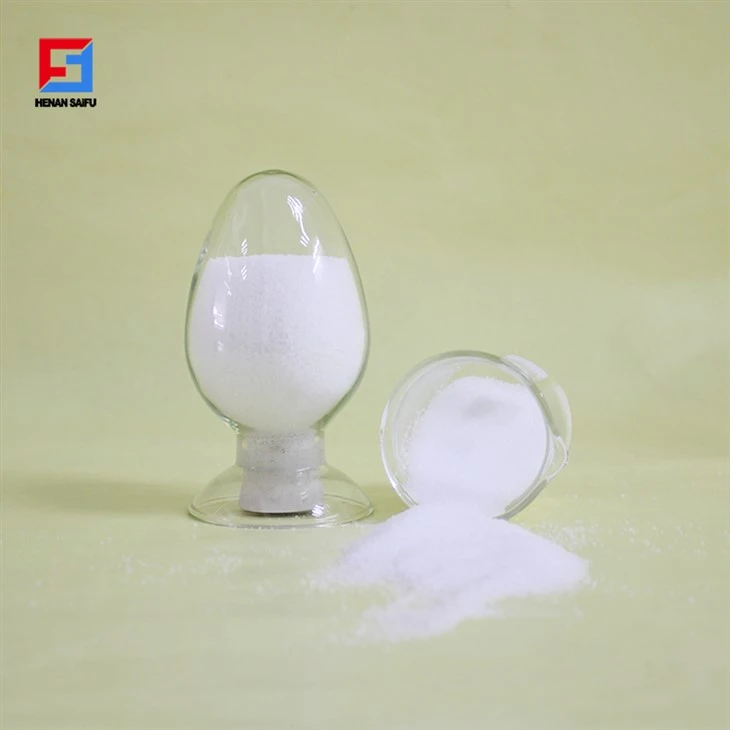

As a supplier of anionic flocculants, I am committed to providing high-quality products and technical support to our customers. If you are interested in learning more about our anionic flocculants or have any questions about water treatment, please do not hesitate to contact us for a consultation. We can help you choose the right anionic flocculant for your specific application and provide you with the necessary guidance and support to ensure the success of your water treatment process.
If you want to explore our product range, you can visit the following links:
- High Water Soluble Polymer Polyacrylamide PAM High Molecular Rapidly Mix Flocculants
- Cationic Polyacrylamide Polymers Flocculant Granules for Wastewater Treatment CAS NO 9003-5-8
- Water Treatment Flocculant Polyelectrolyte Anionic PAM Polymer Polyacrylamide APAM Powder
References
- Letterman, R. D. (1999). Water Quality and Treatment: A Handbook of Community Water Supplies. McGraw-Hill.
- Metcalf & Eddy, Inc. (2003). Wastewater Engineering: Treatment and Reuse. McGraw-Hill.
- USEPA. (2000). Manual of Water Supply Practices - M30: Coagulation and Flocculation. United States Environmental Protection Agency.


