


Flocculant chemicals play a crucial role in water treatment processes, helping to clarify water by aggregating suspended particles into larger flocs that can be more easily removed. However, their performance can be significantly affected by environmental conditions, particularly low temperatures. As a flocculant chemical supplier, understanding how these chemicals perform in low-temperature water is essential for providing effective solutions to our customers.

The Impact of Low Temperatures on Flocculation
Low temperatures can have several adverse effects on the flocculation process. Firstly, the viscosity of water increases as the temperature drops. Higher viscosity means that the movement of particles and flocculant molecules is more restricted. This slowdown in molecular diffusion reduces the frequency of collisions between the flocculant and suspended particles, which is a critical step in the flocculation process. As a result, the formation of flocs is delayed, and the overall flocculation efficiency decreases.
Secondly, the solubility of flocculants can be affected by low temperatures. Some flocculants may become less soluble in cold water, leading to incomplete dissolution and reduced availability of active flocculant molecules. This can further hinder the flocculation process, as the under - dissolved flocculant cannot effectively interact with the suspended particles.
Thirdly, the chemical reactions involved in flocculation are often temperature - dependent. Many flocculation reactions are exothermic, meaning they release heat. Lower temperatures can slow down these reactions, making it more difficult for the flocculant to neutralize the surface charges of particles and promote aggregation.
Performance of Different Types of Flocculants in Low - Temperature Water
Nonionic Polyacrylamide (PAM)
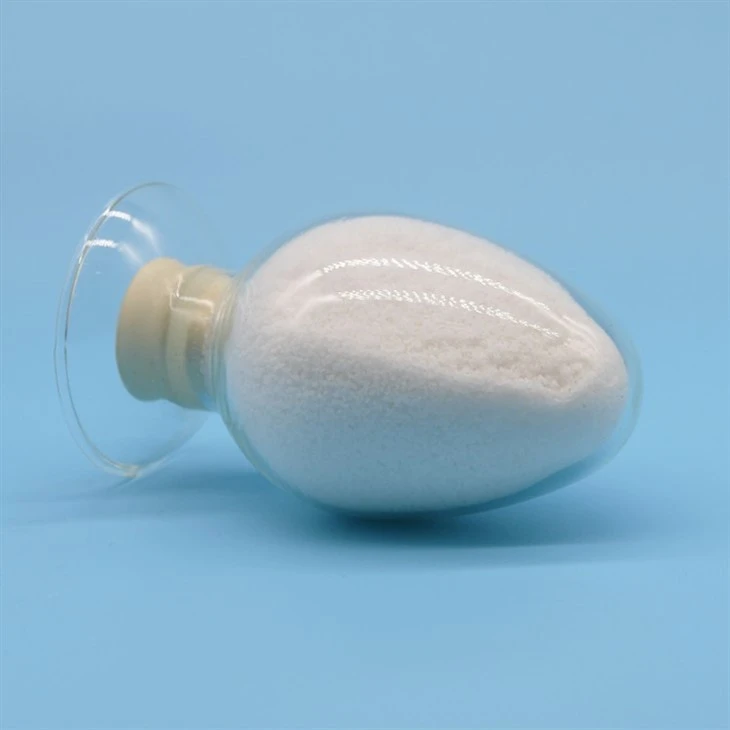
Nonionic PAM is a type of flocculant that has no charged groups in its molecular structure. In low - temperature water, nonionic PAM may face challenges due to the reduced diffusion rate and solubility issues. However, its performance can still be acceptable in some cases. Nonionic PAM mainly works through bridging mechanisms, where it forms bridges between suspended particles. Although the slower molecular movement in cold water may slow down the bridging process, nonionic PAM can still form stable flocs over a longer period. You can find high - quality nonionic PAM at Water Treatment Chemical Flocculant Nonionic Cationic Anionic Polyacrylamide PAM.
Cationic Polyacrylamide (PAM)
Cationic PAM has positively charged groups in its molecular structure, which makes it effective in neutralizing negatively charged particles. In low - temperature water, the reduced reaction rate can affect its ability to quickly neutralize particle charges. However, cationic PAM can still perform relatively well if the dosage is adjusted properly. It can be more effective in treating wastewater with high - charge density particles, as the electrostatic attraction between the cationic groups and negatively charged particles can overcome some of the negative effects of low temperature.
Anionic Polyacrylamide (PAM)
Anionic PAM has negatively charged groups. In low - temperature water, anionic PAM may face difficulties in interacting with negatively charged particles due to electrostatic repulsion and the reduced reaction rate. However, it can be used in combination with other coagulants to enhance its performance. For example, when used with a cationic coagulant, the cationic coagulant can first neutralize the surface charges of particles, and then anionic PAM can be used for bridging and floc growth. You can explore more about anionic PAM and other types of PAM at Polyacrylamide PAM Powder Water Treatment Flocculant Chemicals for Industrial Municipal Wastewater.
Strategies to Improve Flocculant Performance in Low - Temperature Water
Dosage Adjustment
One of the simplest ways to improve flocculant performance in low - temperature water is to adjust the dosage. Since the flocculation process is slower at low temperatures, a higher dosage of flocculant may be required to achieve the same level of flocculation as in warmer water. However, excessive dosage should be avoided, as it can lead to increased costs and potential water quality issues, such as residual flocculant in the treated water.
Pre - treatment
Pre - treatment of the water can also enhance flocculant performance. For example, heating the water to a certain extent can increase the solubility of flocculants and speed up the chemical reactions involved in flocculation. However, heating water can be energy - intensive and costly, so it may not be a practical solution for large - scale water treatment. Another pre - treatment option is to use a coagulant aid, such as activated silica or clay, which can improve the flocculation process by providing additional nuclei for floc growth.
Use of Specialized Flocculants
There are specialized flocculants available that are designed to perform better in low - temperature conditions. These flocculants may have modified molecular structures that improve their solubility and reactivity at low temperatures. For example, some high - water - soluble polymer polyacrylamide PAM products are formulated to rapidly mix and form flocs even in cold water. You can learn more about these products at High Water Soluble Polymer Polyacrylamide PAM High Molecular Rapidly Mix Flocculants.
Case Studies
In a municipal water treatment plant located in a cold - climate region, the plant was facing challenges in achieving satisfactory water clarity during the winter months. The traditional flocculant used in the plant was not performing well due to the low water temperatures. After conducting a series of tests, the plant switched to a specialized low - temperature flocculant. The new flocculant was able to dissolve more readily in the cold water and form larger, more stable flocs. As a result, the turbidity of the treated water decreased significantly, and the overall water treatment efficiency improved.
In an industrial wastewater treatment facility, the wastewater contained a high concentration of suspended solids. During the winter, the flocculation process became inefficient, leading to poor separation of solids from the water. By adjusting the dosage of the flocculant and using a coagulant aid, the facility was able to improve the flocculation performance. The addition of the coagulant aid provided more sites for floc growth, and the increased flocculant dosage compensated for the reduced reaction rate at low temperatures.
Conclusion
The performance of flocculant chemicals in low - temperature water is a complex issue that is affected by factors such as viscosity, solubility, and reaction rates. Different types of flocculants, including nonionic, cationic, and anionic PAM, face unique challenges in cold water. However, through strategies such as dosage adjustment, pre - treatment, and the use of specialized flocculants, it is possible to improve flocculation performance in low - temperature conditions.
As a flocculant chemical supplier, we are committed to providing our customers with the best solutions for their water treatment needs, especially in challenging low - temperature environments. If you are facing difficulties in water treatment due to low temperatures or are interested in exploring our range of flocculant products, we invite you to contact us for a detailed discussion and procurement negotiation. We have a team of experts who can provide technical support and help you select the most suitable flocculant for your specific application.
References
- Letterman, R. D. (2009). Water Quality and Treatment: A Handbook of Community Water Supplies. McGraw - Hill.
- Gregory, J., & Duan, J. (2006). Coagulation and Flocculation: Theory and Practice. Elsevier.
- Bratby, J. (2006). Coagulation and Flocculation in Water and Wastewater Treatment. IWA Publishing.


