


Can flocculant APAM be used in combination with other chemicals?
Hey there! I'm a supplier of flocculant APAM, and I often get asked whether APAM can be used in combination with other chemicals. Well, the short answer is yes, but there's a lot more to it than that. In this blog post, I'll dive into the details of using APAM with other chemicals, the benefits, potential issues, and some real - world applications.
First off, let's talk a bit about APAM. Anionic Polyacrylamide (APAM) is a widely used flocculant. It's great at removing suspended solids, colloids, and some organic matter from water. It works by neutralizing the charges of particles in the water, causing them to clump together and form larger flocs that can then be easily removed. You can check out more about quality clarifying APAM on this page: Quality Clarifying Agent Polyacrylamide Flocculant Polymer Environmentally Friendly Water Treatment.
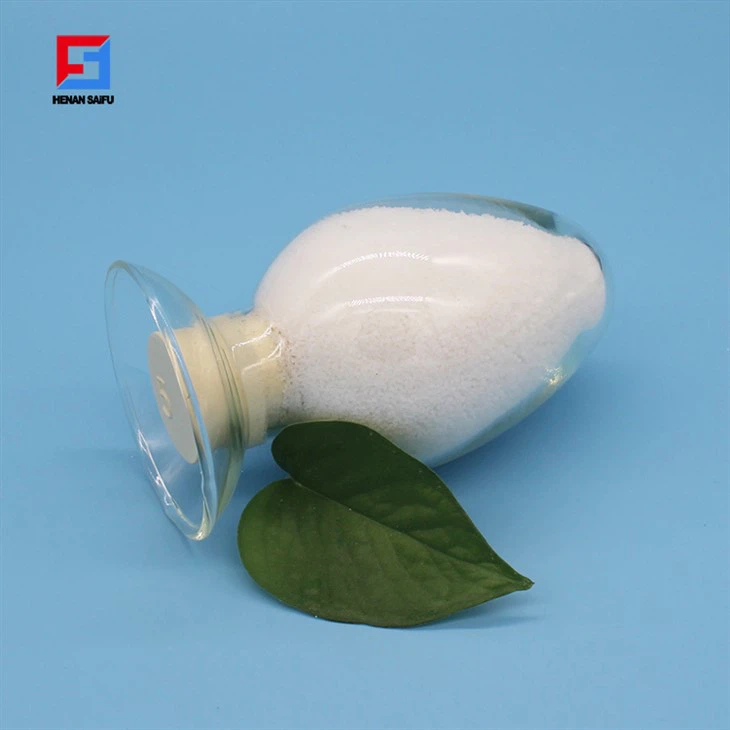

So, why would you want to use APAM with other chemicals? There are several reasons. One of the main benefits is to enhance the overall treatment efficiency. Different chemicals have different functions. For example, APAM is excellent at flocculation, but sometimes, the water might contain substances that APAM alone can't handle very well. By combining it with other chemicals, you can target multiple contaminants at once.
Let's look at some common chemical combinations. One popular one is using APAM with coagulants like aluminum sulfate or ferric chloride. Coagulants work by destabilizing the particles in the water, making them more likely to stick together. When used in conjunction with APAM, the coagulant can start the process of particle aggregation, and then APAM can further strengthen and enlarge the flocs. This combination is often used in water treatment plants for both municipal and industrial water supplies. You can find industrial - grade organic flocculants, including APAM, on this link: Industrial Grade Organic Flocculant PAM Anionic Cationic Polyacrylamide Emulsion.
Another useful combination is with pH adjusters. The performance of APAM can be highly affected by the pH of the water. In some cases, the water might be too acidic or too alkaline for APAM to work optimally. By adding a pH adjuster like lime or sulfuric acid, you can bring the pH to the ideal range for APAM. This ensures that the flocculation process is as efficient as possible.
In the mining industry, APAM is often used in combination with other chemicals for wastewater treatment. Mining wastewater can be extremely complex, containing heavy metals, suspended solids, and various chemicals. APAM can be combined with chelating agents to remove heavy metals while also flocculating the suspended solids. You can learn more about mining wastewater treatment with APAM here: Mining Wastewater Treatment Polymer Chemicals Anionic Flocculant Polyacrylamide PAM.
However, using APAM with other chemicals isn't always a walk in the park. There are some potential issues to be aware of. One of the biggest concerns is chemical compatibility. Some chemicals might react with APAM, reducing its effectiveness or even causing unwanted side - reactions. For example, if you mix APAM with a cationic polymer in the wrong proportions, they can neutralize each other, resulting in poor flocculation. So, it's crucial to do some small - scale tests before implementing a full - scale chemical combination.
Another issue is the dosage. Getting the right dosage of each chemical is essential. Too much of one chemical can not only be wasteful but also cause problems. For instance, an excessive amount of coagulant can lead to the formation of small, difficult - to - settle flocs. And if you add too much APAM, it can make the water more viscous, which can be a headache in the treatment process.
Let's take a look at some real - world examples. In a paper mill, the wastewater contains a lot of pulp fibers and other organic matter. By using a combination of a coagulant and APAM, the mill was able to significantly improve the clarity of the treated water. The coagulant first aggregated the fine pulp fibers, and then APAM formed large, easily - settleable flocs. This reduced the amount of suspended solids in the effluent, meeting the environmental discharge standards.
In a textile factory, the wastewater has high levels of dyes and other chemicals. Combining APAM with a pH adjuster and a decolorizing agent helped in removing both the color and the suspended solids. The pH adjuster optimized the conditions for APAM to work, and the decolorizing agent targeted the dyes, resulting in a more effective treatment process.
In conclusion, APAM can definitely be used in combination with other chemicals, and it can bring a lot of benefits in terms of treatment efficiency. But it's important to understand the chemical properties, do proper testing, and get the dosages right. If you're facing water treatment challenges and think APAM might be part of the solution, or if you're interested in learning more about using it with other chemicals, don't hesitate to reach out. We can have a detailed discussion about your specific needs and come up with the best chemical combination for your situation.
References
- Water Treatment Handbook, various authors
- Journal of Environmental Science and Technology, multiple issues related to water treatment chemicals


