


Hey there! As a supplier of chemical flocculants, I often get asked about how these nifty substances work their magic on pollutants. So, today, I'm gonna break down the reaction mechanism of chemical flocculants with pollutants in a way that's easy to understand.
What are Chemical Flocculants?
First things first, let's talk about what chemical flocculants are. Chemical flocculants are substances that are used to promote the aggregation of fine particles in a liquid, turning them into larger clumps called flocs. These flocs are then easier to separate from the liquid, whether it's through sedimentation, filtration, or other separation methods.
There are different types of chemical flocculants, including inorganic flocculants like aluminum sulfate and ferric chloride, and organic flocculants like polyacrylamide (PAM). In my line of work, I deal a lot with organic flocculants, especially polyacrylamide, which comes in different forms such as anionic, cationic, and non - ionic.
Reaction Mechanisms
1. Charge Neutralization
One of the main ways chemical flocculants work is through charge neutralization. Many pollutants in water, such as colloidal particles, carry a surface charge. For example, clay particles in water usually have a negative surface charge. These charged particles repel each other, which keeps them dispersed in the water and makes it difficult to separate them.
Anionic flocculants like APAM Flocculant Water Treatment Anionic Polymer CAS 9003 - 05 - 8 can be used when the pollutants have a positive charge. The negatively charged groups on the anionic flocculant molecules attract the positively charged pollutants, neutralizing their charge. Once the charge is neutralized, the repulsive forces between the particles are reduced, and they can come closer together and form flocs.
On the other hand, cationic flocculants are used when the pollutants have a negative charge. The positively charged groups on the cationic flocculant interact with the negatively charged pollutants, again neutralizing the charge and promoting floc formation.
2. Bridging
Bridging is another important reaction mechanism. Long - chain polymer flocculants, like polyacrylamide, can form bridges between different particles. The polymer chains have multiple active sites that can adsorb onto the surfaces of different particles.
Imagine a long piece of string with sticky ends. When you throw this string into a bunch of small beads (representing pollutants), the sticky ends of the string can attach to different beads. As more and more beads get attached to the same string, they come together to form a larger cluster or floc.
For instance, in Mining Wastewater Treatment Polymer Chemicals Anionic Flocculant Polyacrylamide PAM, the anionic polyacrylamide chains can adsorb onto the surface of suspended solids in mining wastewater. These chains then bridge between different solids, causing them to aggregate into larger flocs that can be easily removed.
3. Sweep Flocculation
Inorganic flocculants, such as aluminum sulfate and ferric chloride, often work through sweep flocculation. When these flocculants are added to water, they hydrolyze to form metal hydroxide precipitates.
As these precipitates form and settle through the water column, they entrap or "sweep" the pollutants along with them. The pollutants get caught in the mesh - like structure of the metal hydroxide precipitate, and as the precipitate settles, the pollutants are removed from the water.
Factors Affecting the Reaction
The reaction between chemical flocculants and pollutants can be affected by several factors.
1. pH
The pH of the water plays a crucial role. Different flocculants work best at different pH ranges. For example, some anionic flocculants are more effective in alkaline conditions, while cationic flocculants may work better in acidic or neutral conditions. If the pH is not within the optimal range, the flocculant may not be able to fully neutralize the charge or form effective bridges, leading to poor floc formation.
2. Temperature
Temperature can also impact the reaction. Generally, higher temperatures can increase the rate of chemical reactions. However, extremely high temperatures can cause the polymer chains in organic flocculants to break down, reducing their effectiveness. On the other hand, very low temperatures can slow down the reaction rate, making the flocculation process take longer.
3. Pollutant Concentration
The concentration of pollutants in the water matters. If the pollutant concentration is too high, the flocculant may not be able to cover all the particles, resulting in incomplete flocculation. Conversely, if the pollutant concentration is too low, the flocculant may not be fully utilized, and it can be a waste of resources.
Applications
Chemical flocculants have a wide range of applications. In water treatment plants, they are used to remove suspended solids, turbidity, and even some dissolved contaminants from drinking water and wastewater.
In the mining industry, as mentioned earlier, Mining Wastewater Treatment Polymer Chemicals Anionic Flocculant Polyacrylamide PAM is used to treat the large volumes of wastewater generated during mining operations. This helps in recycling the water and reducing the environmental impact.
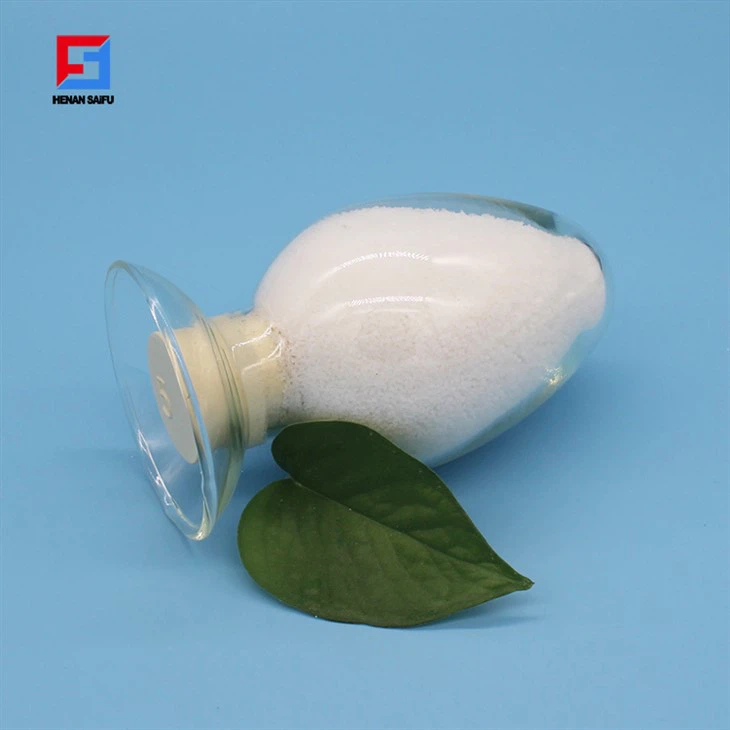
In the oil and gas industry, High Quality Polyacrylamide Flocculant Powdered For Application Oil Waste Water Treatment is used to separate oil from water in oil wastewater. The flocculant helps in aggregating the oil droplets, making them easier to separate from the water.

Conclusion
Understanding the reaction mechanism of chemical flocculants with pollutants is essential for effective water treatment and environmental protection. Whether it's through charge neutralization, bridging, or sweep flocculation, these flocculants play a vital role in removing pollutants from water.
If you're in need of high - quality chemical flocculants for your specific application, whether it's water treatment, mining, or oil and gas, don't hesitate to reach out. We have a wide range of flocculants that can meet your needs. Contact us to start a conversation about your requirements and let's find the best solution together.
References
- Stumm, W., & Morgan, J. J. (1996). Aquatic Chemistry: Chemical Equilibria and Rates in Natural Waters. Wiley - Interscience.
- Gregory, J. (2006). Coagulation and Flocculation. In Encyclopedia of Surface and Colloid Science (pp. 1059 - 1074). Marcel Dekker.
- Letterman, R. D. (2009). Water Quality and Treatment: A Handbook of Community Water Supplies. McGraw - Hill.


