


When dealing with chemical flocculants, safety is of utmost importance. As a chemical flocculant supplier, I understand the critical role that safety precautions play in ensuring the well - being of those handling these substances. In this blog, I will delve into the essential safety measures that should be taken when working with chemical flocculants.
Understanding Chemical Flocculants
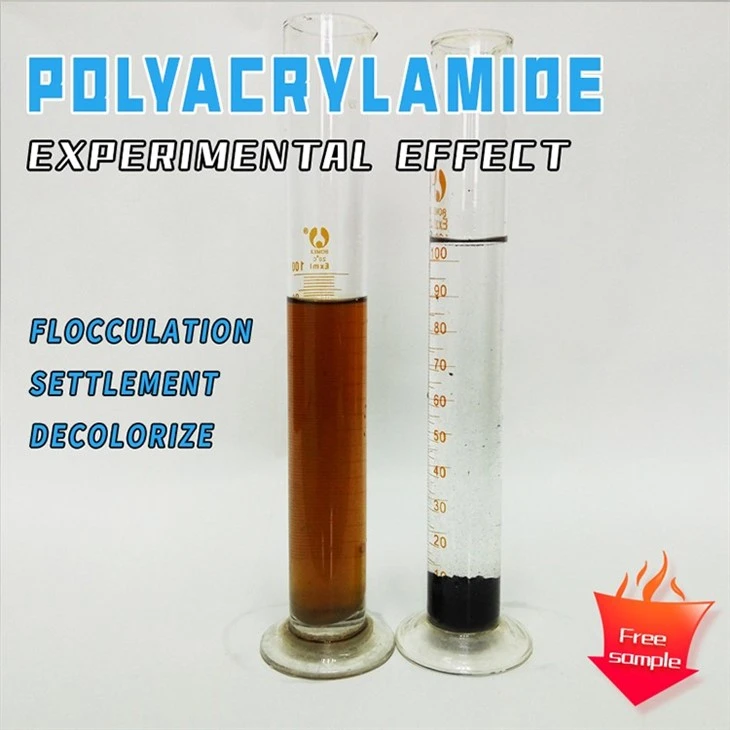
Chemical flocculants are substances used to promote the aggregation of fine particles in a liquid, causing them to form larger flocs that can then be more easily separated from the liquid. They are widely used in various industries such as wastewater treatment, mining, and papermaking. One of the most commonly used types of chemical flocculants is polyacrylamide. You can find more information about our polyacrylamide products here: Industrial Grade Polyacrylamide Flocculant Chemical Agent for Wastewater Treatment, Industrial Wastewater Flocculant Powder Polyacrylamide PAM CAS 9003 - 05 - 8 Water Treatment, and Polyacrylamide Dry Powder Flocculant PAM Chemical Agent For Oil Displacement Agent Water Treatment.

Personal Protective Equipment (PPE)
The first line of defense when handling chemical flocculants is the proper use of personal protective equipment.
1. Gloves
Gloves are essential to protect your hands from direct contact with the flocculants. Chemical - resistant gloves, such as those made of nitrile or neoprene, should be worn. These materials provide a barrier against the potentially harmful chemicals in the flocculants. Before using the gloves, inspect them for any signs of damage, such as holes or tears. Replace damaged gloves immediately to ensure maximum protection.
2. Goggles
Eye protection is crucial as chemical flocculants can cause irritation or even permanent damage to the eyes if splashed. Safety goggles that fit snugly around the eyes and provide side protection should be worn at all times when handling these chemicals. Make sure the goggles are clean and free from scratches to maintain clear vision.
3. Respirators
In some cases, especially when working with powdered flocculants, there is a risk of inhaling the fine particles. A respirator with the appropriate filtration capacity should be used to prevent inhalation of these particles. The type of respirator required depends on the specific chemical and the level of exposure. For example, a N95 respirator may be sufficient for low - level dust exposure, while a powered air - purifying respirator (PAPR) may be needed for higher - risk situations.
4. Protective Clothing
Wear long - sleeved shirts, long pants, and closed - toe shoes to minimize skin exposure. A chemical - resistant apron can also be worn to provide additional protection to the body. The clothing should be made of a material that is resistant to the chemicals being handled and should be washed regularly to remove any residue.
Storage and Handling
Proper storage and handling of chemical flocculants are vital to prevent accidents and ensure the stability of the products.
1. Storage Conditions
Chemical flocculants should be stored in a cool, dry, and well - ventilated area. The storage area should be away from sources of heat, direct sunlight, and incompatible substances. Keep the flocculants in their original containers, which are designed to prevent leaks and protect the contents. Label the containers clearly with the name of the chemical, its hazards, and any handling instructions.
2. Handling Procedures
When handling chemical flocculants, use appropriate tools and equipment. For example, when transferring powdered flocculants, use a scoop or a funnel to avoid spills. When diluting liquid flocculants, follow the manufacturer's instructions carefully. Add the flocculant to the water slowly while stirring to ensure proper mixing. Avoid over - mixing, as this can cause the flocs to break apart.
3. Spill Response
Have a spill response plan in place in case of accidental spills. Keep spill kits readily available in the storage and handling areas. The spill kits should include absorbent materials, such as sand or vermiculite, to soak up the spilled chemicals. In case of a spill, immediately contain the spill to prevent it from spreading. Wear appropriate PPE when cleaning up the spill and follow the proper disposal procedures for the contaminated materials.
Mixing and Application
When mixing and applying chemical flocculants, additional safety precautions need to be taken.
1. Mixing Tanks
If using mixing tanks, ensure that they are properly designed and maintained. The tanks should be made of a material that is compatible with the flocculants being used. Regularly inspect the tanks for any signs of corrosion or damage. Provide proper ventilation in the mixing area to prevent the buildup of fumes.
2. Application Equipment
Use appropriate application equipment, such as pumps or sprayers, to apply the flocculants. Make sure the equipment is in good working condition and is calibrated correctly. Follow the manufacturer's instructions for operating the equipment. When using sprayers, wear additional protective gear, such as face shields, to prevent the chemicals from splashing onto the face.
3. Monitoring
During the mixing and application process, continuously monitor the conditions. Check the pH, temperature, and other relevant parameters to ensure that the flocculants are working effectively. If any abnormal conditions are detected, stop the process immediately and investigate the cause.
Training and Education
All personnel involved in handling chemical flocculants should receive proper training and education.
1. Safety Training
Provide comprehensive safety training to all employees who will be working with the flocculants. The training should cover the hazards associated with the chemicals, the proper use of PPE, storage and handling procedures, spill response, and emergency procedures. Regularly refresh the training to ensure that the employees are up - to - date with the latest safety information.
2. Chemical Knowledge
Employees should also have a basic understanding of the chemistry of the flocculants they are handling. This knowledge will help them to better understand the potential hazards and how to handle the chemicals safely. Provide educational materials, such as safety data sheets (SDS), and encourage employees to read and understand them.
Emergency Preparedness
In case of an emergency, it is essential to be prepared.
1. Emergency Response Plan
Develop an emergency response plan that outlines the steps to be taken in case of a fire, explosion, chemical spill, or other emergencies. The plan should include evacuation routes, emergency contact information, and procedures for notifying the relevant authorities.
2. First Aid
Have a well - stocked first - aid kit available in the work area. All employees should be trained in basic first - aid procedures, such as how to treat chemical burns or eye injuries. In case of an injury, provide immediate first aid and seek medical attention as soon as possible.
Conclusion
Handling chemical flocculants safely requires a combination of proper personal protective equipment, correct storage and handling procedures, appropriate mixing and application techniques, comprehensive training, and emergency preparedness. By following these safety precautions, you can minimize the risks associated with working with these chemicals and ensure a safe working environment.
If you are interested in purchasing high - quality chemical flocculants, we are here to assist you. Our products are reliable and meet the highest safety standards. Contact us to start a discussion about your specific requirements and how our chemical flocculants can benefit your operations.
References
- "Safety Data Sheets for Chemical Flocculants," Various Manufacturers
- "Occupational Safety and Health Administration (OSHA) Guidelines for Chemical Handling," OSHA
- "Chemical Engineering Handbook," Perry and Green


