


Nonionic polyacrylamide (NPAM) is a versatile polymer with a wide range of applications, especially in water treatment, papermaking, and oil recovery. As a reliable nonionic PAM supplier, I am delighted to share the synthesis process of nonionic PAM, which will not only deepen your understanding of this product but also help you make better decisions when choosing a flocculant.
1. Introduction to Nonionic PAM
Nonionic PAM is a linear polymer with high molecular weight and low charge density. It is a water - soluble polymer that can effectively adsorb and bridge suspended particles in water, causing them to agglomerate and settle. This property makes it an ideal flocculant for various industrial and environmental applications. For more information about related polyacrylamide products, you can visit Flocculant Cationic Polyacrylamide Pam Polymer CAS:9003 - 05 - 8 (C3H5NO)n.
2. Raw Materials
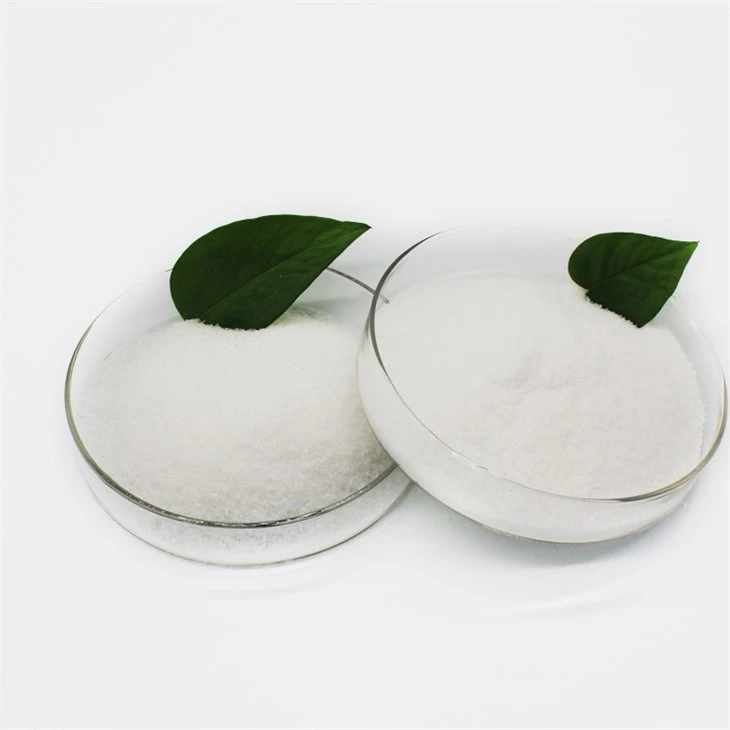
The main raw material for synthesizing nonionic PAM is acrylamide (AM). Acrylamide is a colorless, odorless, and crystalline solid. It has a vinyl group and an amide group, which are the key functional groups for polymerization. High - purity acrylamide is required to ensure the quality of the final nonionic PAM product.

In addition to acrylamide, initiators are also crucial. Common initiators include potassium persulfate (K₂S₂O₈), ammonium persulfate ((NH₄)₂S₂O₈), and azo compounds. These initiators can generate free radicals under certain conditions, which initiate the polymerization reaction of acrylamide.
3. Synthesis Methods
3.1 Solution Polymerization
Solution polymerization is one of the most commonly used methods for synthesizing nonionic PAM. The process is as follows:
- Preparation of the Reaction Solution: First, acrylamide is dissolved in deionized water to form a homogeneous solution. The concentration of the acrylamide solution usually ranges from 10% to 30%. Then, a certain amount of initiator is added to the solution. The amount of the initiator is typically in the range of 0.01% - 0.5% of the mass of acrylamide.
- Polymerization Reaction: The reaction solution is placed in a reaction vessel equipped with a stirrer, a thermometer, and a reflux condenser. The reaction vessel is heated to a suitable temperature, usually between 40°C and 60°C, under a nitrogen atmosphere to remove oxygen, which can inhibit the polymerization reaction. As the reaction proceeds, the viscosity of the solution gradually increases, indicating the formation of the polymer. The reaction time can vary from several hours to tens of hours, depending on the reaction conditions.
- Post - treatment: After the polymerization reaction is completed, the resulting polymer solution is cooled to room temperature. Then, it can be further processed, such as precipitation with a non - solvent (e.g., acetone) to obtain a solid polymer, which is then dried and ground into a powder.
The advantages of solution polymerization are that it is easy to control the reaction conditions, and the resulting polymer has a relatively narrow molecular weight distribution. However, the production efficiency is relatively low, and the product contains a certain amount of solvent, which needs to be removed.
3.2 Inverse Emulsion Polymerization
Inverse emulsion polymerization is another important method for synthesizing nonionic PAM.
- Emulsion Preparation: In this method, an oil phase and an aqueous phase are prepared separately. The oil phase usually consists of a hydrocarbon solvent, such as cyclohexane or toluene, and an emulsifier. The aqueous phase is an acrylamide solution containing an initiator. Then, the aqueous phase is slowly added to the oil phase under high - speed stirring to form a stable water - in - oil (W/O) emulsion.
- Polymerization Reaction: The emulsion is heated to a suitable temperature, usually around 50°C - 70°C, to initiate the polymerization reaction. The initiator in the aqueous phase generates free radicals, which initiate the polymerization of acrylamide in the aqueous droplets. The reaction proceeds rapidly due to the large interfacial area between the aqueous droplets and the oil phase.
- Breaking the Emulsion: After the polymerization is completed, the emulsion needs to be broken to obtain the polymer. This can be achieved by adding a demulsifier or by heating the emulsion to a high temperature. Then, the polymer is separated from the oil phase and washed to remove the residual oil and emulsifier.
Inverse emulsion polymerization has the advantages of high reaction rate, high molecular weight of the resulting polymer, and good solubility. However, the process is more complex, and the use of organic solvents may cause environmental problems.
4. Factors Affecting the Synthesis
- Temperature: Temperature has a significant impact on the polymerization reaction. A higher temperature can increase the reaction rate, but it may also lead to a broader molecular weight distribution and even cause side reactions. Therefore, an appropriate reaction temperature needs to be selected according to the type of initiator and the desired properties of the polymer.
- Initiator Concentration: The concentration of the initiator affects the initiation rate of the polymerization reaction. A higher initiator concentration can increase the reaction rate, but it may also result in a lower molecular weight of the polymer. On the other hand, a lower initiator concentration may lead to a slower reaction rate and incomplete polymerization.
- Acrylamide Concentration: The concentration of acrylamide in the reaction solution affects the viscosity of the reaction system and the molecular weight of the resulting polymer. A higher acrylamide concentration can lead to a higher molecular weight polymer, but it may also cause the solution to become too viscous, making it difficult to stir and control the reaction.
5. Applications of Nonionic PAM
Nonionic PAM has a wide range of applications. In water treatment, it can be used to remove suspended solids, organic matter, and heavy metals from wastewater. For more details about water - treatment - related polyacrylamide products, you can refer to Good Water Treatment Chemical Flocculant PAM Polyacrylamide CAS 9003 - 05 - 8 for Sale and PAM Polyacrylamide for Water Treatment Best Polymer Water Solutions.
In the papermaking industry, nonionic PAM can be used as a retention aid and a drainage aid to improve the retention of fillers and fine fibers and to increase the drainage rate of the paper web. In the oil - recovery industry, it can be used as a polymer flooding agent to enhance oil recovery.
6. Quality Control and Assurance
As a nonionic PAM supplier, we pay great attention to quality control. We have a strict quality - control system in place, which includes raw - material inspection, in - process monitoring, and final - product testing. We use advanced analytical instruments, such as gel permeation chromatography (GPC) to measure the molecular weight and molecular weight distribution of the polymer, and viscometers to measure the viscosity of the polymer solution. Only products that meet the strict quality standards can be delivered to customers.
7. Conclusion and Call to Action
In conclusion, the synthesis of nonionic PAM involves a series of chemical reactions and process control steps. Understanding the synthesis process can help you better evaluate the quality and performance of nonionic PAM products.
If you are interested in our nonionic PAM products or have any questions about the synthesis process, feel free to contact us for further discussion and procurement negotiation. We are committed to providing you with high - quality products and excellent service.
References
- Seymour, R. B., & Carraher, C. E. (2008). Polymer Chemistry. CRC Press.
- Odian, G. (2004). Principles of Polymerization. Wiley - Interscience.


