What Are Flocculants?
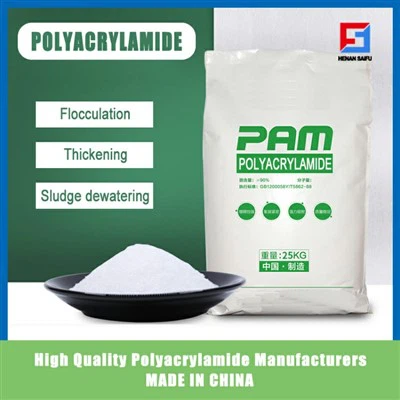
Any substance used to induce the flocculation and precipitation of solutes, colloids, or suspended particles within an aqueous solution is referred to as a flocculant. Regardless of whether the added substance is inorganic or organic, provided it facilitates the process of flocculation and precipitation, it qualifies as a flocculant. If a flocculant comprises two or more components designed to induce flocculation, it is termed a *composite flocculant*. Currently, polyacrylamide is the most widely utilized flocculant material.

The Functions of Flocculants
1. Impact on Chemical Oxygen Demand (COD).
Flocculants play a pivotal role in the solid-liquid separation processes involved in water and wastewater treatment. The use of coagulation or flocculation to remove fine particulate matter from water has long been a recognized practice. The reduction of colloidal substances is closely correlated with a decrease in the Chemical Oxygen Demand (COD) value of the water. In other words, flocculants offer a simple and effective means of removing 80% to 95% of suspended solids and 65% to 95% of colloidal substances; consequently, they play a significant role in lowering the COD levels in water.
2. Disinfection and Sterilization Effects.
Flocculants demonstrate consistent efficacy in removing bacteria and viruses from water. Through flocculation-based purification, over 90% of the microorganisms and viruses present in the water can be sequestered into the sludge, thereby facilitating easier subsequent disinfection and sterilization during the water treatment process.
3. Phosphorus Removal and Decolorization.
Issues such as the eutrophication of water bodies and the decolorization of wastewater are attracting increasing attention; the application of inorganic flocculants offers an effective means of mitigating these problems. Inorganic flocculants are effective in both removing phosphorus and decolorizing water, often outperforming biological methods for phosphorus removal and decolorization.
4. Improvement of Sludge Dewatering.
Sludge dewatering currently stands as a major challenge in wastewater treatment. The most effective approach currently available involves the addition of appropriate inorganic chemical reagents and cationic polymer flocculants to modify the physical properties of the sludge, thereby rendering the subsequent mechanical dewatering process more efficient and manageable.