


Hey there! As an organic flocculant supplier, I've seen firsthand how these nifty products can work wonders in cooling water systems. Today, I'm gonna break down how organic flocculants prevent scaling in cooling water systems.
First off, let's talk about what scaling is. In cooling water systems, scaling is a real pain in the neck. It's basically the buildup of insoluble minerals, like calcium carbonate, calcium sulfate, and magnesium hydroxide, on the surfaces of pipes, heat exchangers, and other equipment. This buildup can reduce the efficiency of the system, increase energy consumption, and even cause equipment failure over time.
So, how do organic flocculants come to the rescue? Well, it all boils down to their unique properties and how they interact with the water and the scaling - causing minerals.
Mechanisms of Organic Flocculants in Preventing Scaling
1. Chelation and Sequestration
One of the key ways organic flocculants prevent scaling is through chelation and sequestration. Many organic flocculants, like some of the polyacrylamide - based ones we offer, have functional groups that can form complexes with metal ions. For example, the carboxyl groups in anionic polyacrylamide can bind to calcium and magnesium ions.
When these flocculants are added to the cooling water, they grab onto the metal ions that would otherwise form scale. By doing so, they keep these ions in solution and prevent them from precipitating out as solid scale deposits. This is similar to how a magnet attracts metal; the flocculant acts as a "magnet" for the scaling - causing metal ions.
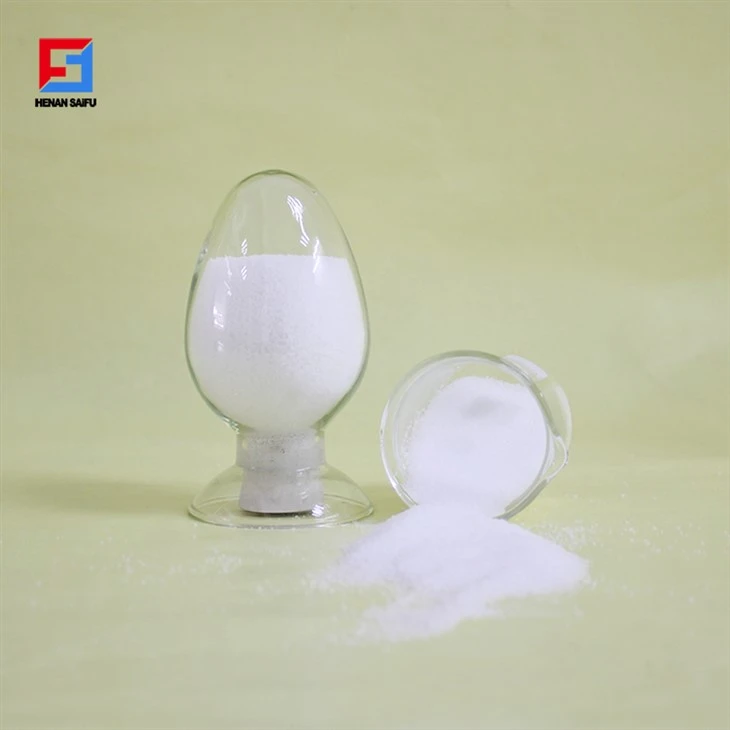
Take a look at our Water Treatment Flocculant Polyelectrolyte Anionic PAM Polymer Polyacrylamide APAM Powder. It's great at chelating metal ions and can significantly reduce the risk of scaling in cooling water systems.
2. Dispersion
Organic flocculants also work as dispersants. They can adsorb onto the surface of tiny scale particles that are starting to form in the water. Once adsorbed, they create a repulsive force between the particles. This repulsive force keeps the particles from clumping together and growing into larger, more problematic scale deposits.
Imagine a bunch of kids in a playground. If they're all allowed to huddle together, they can form a big, unmanageable group. But if there's a teacher who makes sure each kid keeps a certain distance from the others, the group stays more spread out and less likely to cause chaos. That's what organic flocculants do with scale particles in the water.
Our Cationic Polyacrylamide PAM Chemical Flocculant CPAM for Sugar Processing Wastewater CAS 9003 - 05 - 8 is an excellent dispersant. It can keep scale particles small and well - dispersed, reducing the chances of them sticking to the system surfaces.
3. Modifying Crystal Growth
Another way organic flocculants prevent scaling is by modifying the crystal growth of scale - forming minerals. When scale - forming salts start to crystallize in the water, organic flocculants can interfere with the normal crystal lattice structure.
They can adsorb onto the growing crystal faces and disrupt the orderly arrangement of the ions in the crystal. This results in the formation of distorted, less adherent crystals. These distorted crystals are less likely to stick to the surfaces of the cooling water system and are more easily removed during normal water flow or through filtration.
Our Polymer Cationic Polyacrylamide Powder Flocculants for Municipal Water Treatment can effectively modify crystal growth, making it harder for scale to build up on equipment.
Benefits of Using Organic Flocculants in Cooling Water Systems
1. Improved System Efficiency
By preventing scaling, organic flocculants help maintain the heat transfer efficiency of the cooling water system. When there's no scale on the heat exchangers, the heat can transfer more easily between the water and the process fluid. This means the system doesn't have to work as hard, which saves energy and reduces operating costs.
2. Extended Equipment Lifespan
Scaling can cause significant damage to the equipment in a cooling water system. It can lead to corrosion, erosion, and mechanical stress on pipes and other components. By using organic flocculants to prevent scaling, you can extend the lifespan of your equipment, reducing the need for frequent replacements and repairs.
3. Environmental Friendliness
Many organic flocculants are biodegradable and environmentally friendly. Unlike some traditional chemical scale inhibitors, they don't pose a significant threat to the environment when discharged. This makes them a great choice for companies that are looking to reduce their environmental impact.
Factors to Consider When Using Organic Flocculants
1. Water Quality
The quality of the cooling water, including its pH, hardness, and the concentration of other impurities, can affect the performance of organic flocculants. For example, in water with a high pH, the chelating ability of some flocculants may change. It's important to test the water and choose the right type and dosage of flocculant accordingly.
2. Dosage
Getting the right dosage of organic flocculant is crucial. Too little, and it won't be effective in preventing scaling. Too much, and it can lead to other problems, like increased sludge formation or foaming in the water. It's best to work with a professional or do some trials to determine the optimal dosage for your specific cooling water system.

Conclusion
In conclusion, organic flocculants are a powerful tool in preventing scaling in cooling water systems. Through chelation, dispersion, and modifying crystal growth, they can keep your system running smoothly, improve efficiency, and extend the lifespan of your equipment.
If you're dealing with scaling issues in your cooling water system or just want to be proactive in preventing them, I'd love to chat. We have a wide range of organic flocculants that can meet your specific needs. Don't hesitate to reach out and start a conversation about how we can help you optimize your cooling water system.
References
- Amjad, Z. (1996). Scale and deposit control in industrial water systems. Noyes Publications.
- Gregory, J. (2006). Coagulation and flocculation: theory and practice. Spon Press.


