


Hey there! As a flocculant supplier, I often get asked, "Can flocculants be used in oil and gas production?" Well, let's dive right into it and explore this topic in detail.
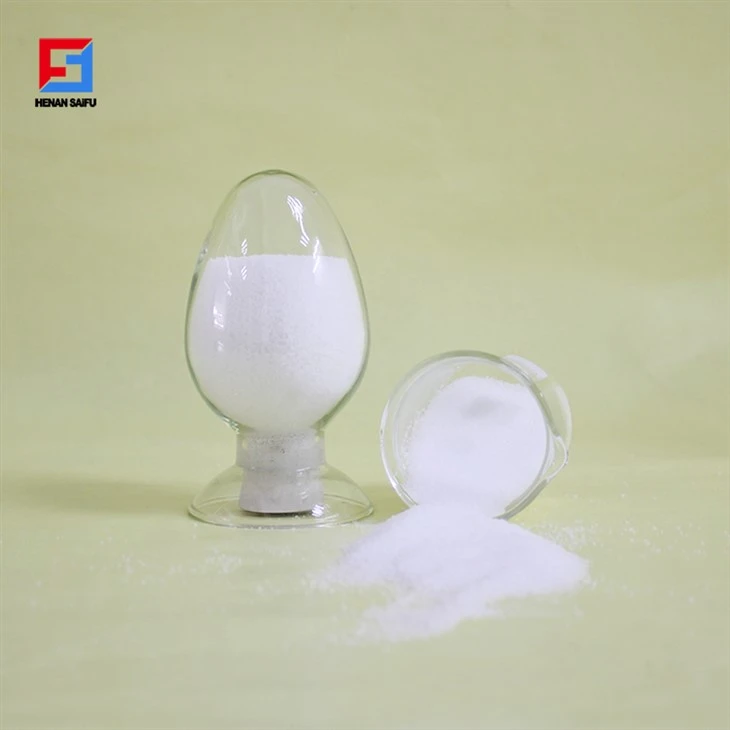
First off, let's understand what flocculants are. Flocculants are chemicals that help in the process of flocculation, which is the clumping together of fine particles in a liquid. This allows these particles to settle out more easily or be filtered off. We offer a variety of flocculants, such as the Water Treatment Flocculant Polyelectrolyte Anionic PAM Polymer Polyacrylamide APAM Powder, the Polyacrylamide PAM Water Treatment Chemicals For Wastewater Coagulant Aid, and the Best Mining Flocculant Water Treatment Polymer Nonionic Polyacrylamide NPAM Absorbent Polymer.
Now, let's talk about their use in the oil and gas industry. Oil and gas production involves a whole bunch of processes where flocculants can come in really handy.
Drilling Fluids Treatment
During the drilling process, drilling fluids are used to cool the drill bit, carry cuttings to the surface, and maintain wellbore stability. These fluids can get contaminated with all sorts of solid particles over time. That's where flocculants step in. They can help in separating the solid cuttings from the drilling fluid. By adding a suitable flocculant, the fine particles in the fluid clump together, forming larger flocs. These flocs can then be easily removed through processes like settling or filtration. This not only helps in recycling the drilling fluid, reducing costs, but also ensures that the fluid maintains its desired properties for efficient drilling.
Produced Water Treatment
One of the major by - products of oil and gas production is produced water. Produced water contains a mixture of oil, suspended solids, dissolved salts, and various chemicals. It can't just be dumped back into the environment without proper treatment. Flocculants are crucial in the treatment of produced water. They can help in removing the suspended solids and oil droplets. The flocculants neutralize the charges on the particles, allowing them to come together and form flocs. Once the flocs are formed, they can be more easily separated from the water, either by gravity separation or through other separation techniques. This way, the treated water can meet the environmental standards for discharge or be reused in the production process.
Enhanced Oil Recovery (EOR)
In some cases, flocculants can also play a role in enhanced oil recovery. During EOR processes, chemicals are injected into the reservoir to increase the oil recovery rate. Some types of flocculants can be used to modify the properties of the reservoir fluids or the rock matrix. For example, they can help in improving the sweep efficiency by reducing the mobility of the injected fluids. This allows the fluids to displace more oil from the reservoir, leading to higher oil production.

Challenges in Using Flocculants in Oil and Gas Production
However, using flocculants in oil and gas production isn't without its challenges. The conditions in oil and gas operations can be pretty harsh. High temperatures, high pressures, and the presence of various chemicals in the fluids can affect the performance of flocculants. For example, at high temperatures, some flocculants may lose their effectiveness or even degrade. Also, the composition of the produced water or drilling fluids can vary greatly from one well to another. This means that a flocculant that works well in one location may not work as effectively in another.
To overcome these challenges, we need to do a lot of research and testing. We have to develop flocculants that are more stable under harsh conditions and are tailored to the specific needs of each oil and gas operation. At our end, as a flocculant supplier, we invest a lot of time and resources in research and development to come up with high - quality flocculants that can perform well in the oil and gas industry.
Choosing the Right Flocculant
When it comes to choosing the right flocculant for oil and gas production, there are several factors to consider. First, you need to look at the type of fluid you're dealing with. Is it a drilling fluid, produced water, or something else? The composition of the fluid, including the type and concentration of solids, oil, and other chemicals, will determine the type of flocculant that's most suitable.
You also need to consider the operating conditions. For example, if the temperature is high, you'll need a flocculant that can withstand those high temperatures. The pH of the fluid is another important factor. Some flocculants work better in acidic conditions, while others are more effective in alkaline environments.
Our team of experts can help you in choosing the right flocculant for your specific oil and gas production needs. We can conduct tests on your fluids to determine the best flocculant type and dosage. We understand that every oil and gas operation is unique, and we're committed to providing customized solutions.
Conclusion
So, to answer the question "Can flocculants be used in oil and gas production?" - absolutely! Flocculants have a wide range of applications in the oil and gas industry, from drilling fluids treatment to produced water treatment and enhanced oil recovery. However, using them effectively requires careful consideration of the operating conditions and the properties of the fluids involved.
If you're in the oil and gas production business and are looking for high - quality flocculants, we're here to help. We offer a wide range of flocculants that are designed to meet the specific needs of the oil and gas industry. Contact us to start a conversation about your requirements and let's work together to find the best flocculant solutions for your operation.
References
- Lake, L. W. (1989). Enhanced Oil Recovery. Prentice Hall.
- Ahmed, T. (2006). Reservoir Engineering Handbook. Gulf Professional Publishing.
- SPE Monograph. (Various editions). Society of Petroleum Engineers publications on production technology.


